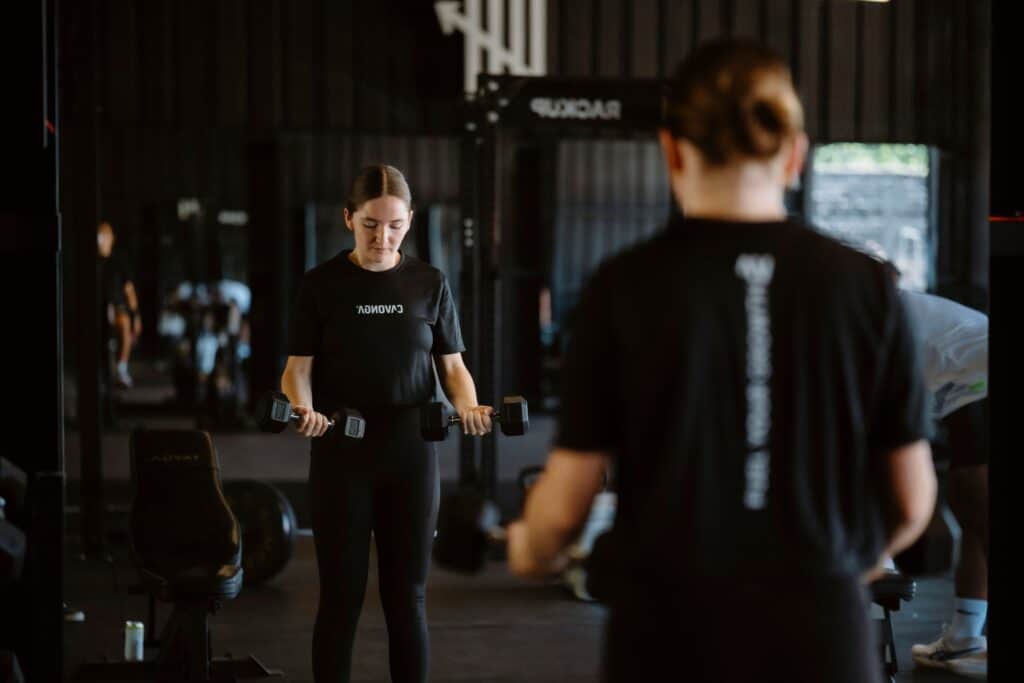

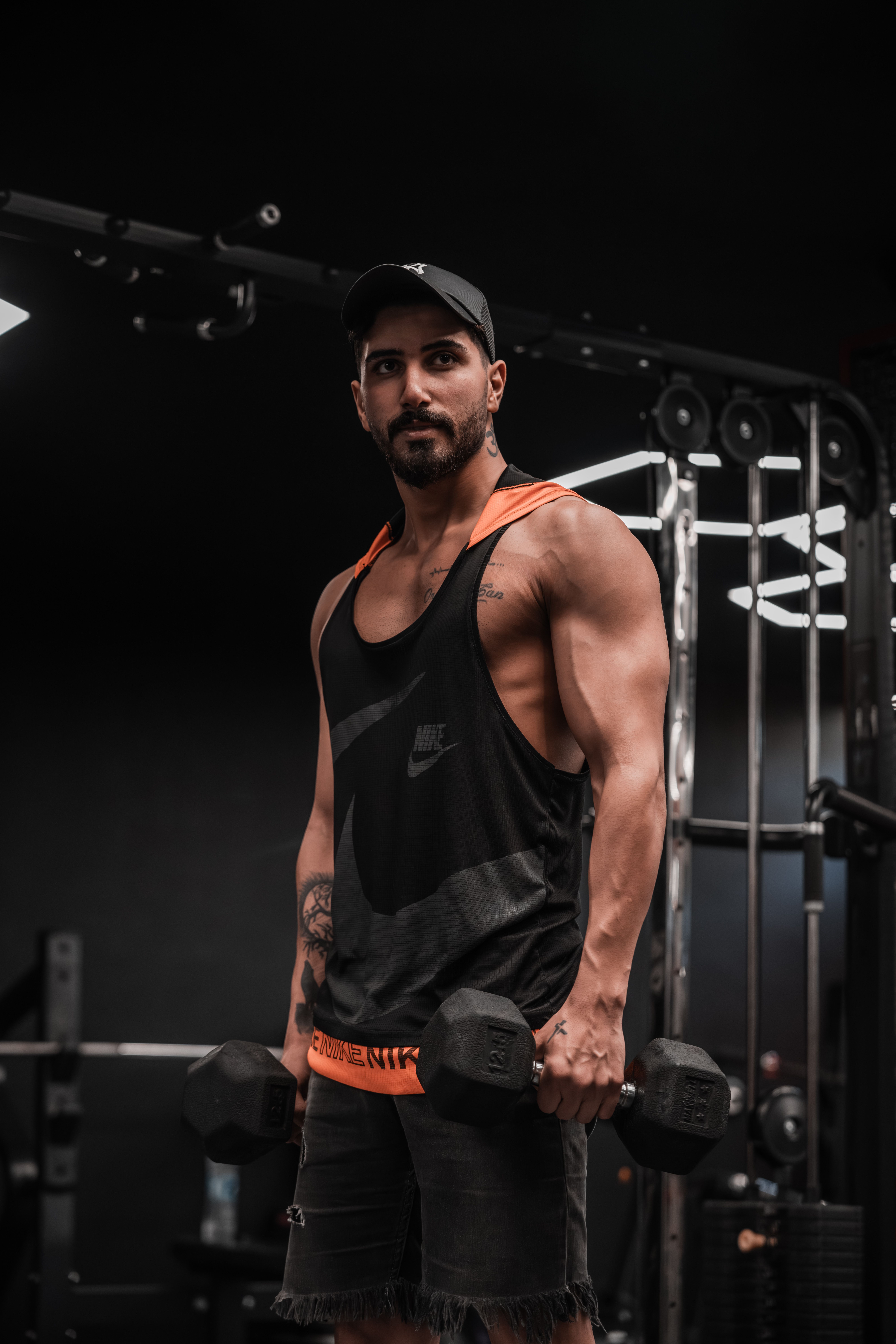
Lower back pain is one of the most common causes of absence from work and fitness activities, affecting over 600 million people worldwide. According to the Global Burden of Diseases, Injuries and Risk Factors Study of 2021, weak core muscles seem to drive low back injury, with risk factors ranging from improper lifting, bending, and posture to poor execution of physically demanding tasks. In this article, we explore how exercise professionals can help clients strengthen both the abdominal muscles and the lower back, focusing primarily on various “loaded carry” exercises.
The Basics of Loaded Movements
The group of exercises referred to as loaded carry exercises encompasses those which activate core muscles while the body moves across multiple planes. One can execute these bilaterally and unilaterally. Hold exercises, similar to carry exercises, simply lack the dynamic aspect.
Common examples include the Farmer’s Carry and the Suitcase Carry; however, many other variations exist and have proven highly effective for activating core muscles. Below, we highlight some of the similarities and differences of these movements:
General Loaded Carry Exercises
- Athlete moves forward while holding an external load
- Athlete strives to resist flexion, extension, and/ or rotation of the spine while moving
- Exercises help the athlete cultivate total-body tension, build work capacity, and create unilateral stability
Farmer’s Carry
- Athlete holds an equal weight in each hand (hanging at the sides of the body) while walking
- Focus on developing maximal grip strength, forearm endurance and building the upper trapezoid muscles
- Athlete’s posture should include standing tall with shoulders retracted, thereby encouraging isometric engagement from the upper back and core stabilizers
Variations on the Theme
- Suitcase Carry: Athlete holds a weight in only one hand, encouraging the core to resist lateral flexion
- Overhead / Waiter’s Walk: With a weight locked out overhead, athlete targets shoulder stability and upper back strength
- Bear Hug / Sandbag Carry: The athlete hugs a sandbag tightly against the chest, building anterior core and leg strength
- Front Rack Carry: Involves walking while holding a heavy load that rests across the front of the shoulders (typically dumbbells or kettlebells)
The front carry may not be the best choice for building grip strength, especially compared with the farmer’s carry. However, it still has merit because it can build upper-body strength, especially isometric tension (holding a loaded position) and shoulder/scapular stability.
Support and Stability
As mentioned above, loaded carry exercises offer full-body strength and conditioning simultaneously, primarily targeting the following muscle groups:
- Forearms
- Grip Muscles
- Trapezoid, both Upper and Middle
- Core Muscles
In addition, the value of such movements gets compounded when we consider their engagement of secondary muscles that encourage support and stability:
- Quadriceps/Calves: Help foster balance of the load as the athlete moves forward
- Glutes/Hamstrings: Aid in stabilizing the pelvis while also supporting hip extension
- Back Muscles: Encourage erect posture and proper alignment of the spine while under pressure from the load
Our Core Cries Out for Loaded Carry Exercises
When walking with a weight, the feet interact with the ground, the hips control the pelvis, the trunk manages the load, and the shoulders and hands/grip strength work to maintain the weight’s position.
A common misconception is that the body’s core includes only the abdominal muscles. However, the complexity of the core’s fortitude also includes the diaphragm, obliques, spinal muscles, and even the pelvic floor. Working in sync, this group can create and manage pressure.
When properly executing a carry, the trunk must resist forward, sideways and backward pulls brought on by the weight used. Instead of repeatedly bending through the spine, weighted carry motions demand that the core maintain a strong position even as the arms and legs move around it.
The Pelvis and the Burdensome Backpack
One research study examined how different loads and carrying methods affect pelvic movement while walking. Scientists recruited 16 healthy volunteers aged 20 to 22 and randomly assigned them to carry a handbag, a shoulder bag, a cross-body bag, or a backpack. Load weights ranged from no weight to 5%, 10%, and/or 15% of participants’ body weight.
In individuals wearing handbags and shoulder bags, pelvic tilt increased with load. Compared with the 0%, 5%, and 10% load conditions, the 15% load of a handbag in particular produced a significant increase. In contrast, pelvic rotation tended to decrease as the weight increased.
Students as young as 5 start carrying backpacks when they enter kindergarten. Very often, these backpacks almost outweigh the student. By the conclusion of high school at the age of 18, students have carried a significant load on their backs 5 days a week for over a decade. Studies and injuries show that these practices greatly affect students’ physical development.
Even among adults, the backpack remains a fairly conventional accessory, both in professional life and in recreational activities. Experts stress that for activities like glacier climbing, hiking, and ski-mountaineering, a comfortable, functional, well-fitting backpack can mean the difference between a fun, safe workout and a serious load-related injury. A poorly fitted backpack affects lateral stability and balance, thereby paving the way for excess energy expenditure and discomfort. Both can disrupt the athlete’s concentration while walking on uneven ground/surfaces and may even promote injuries.
Heavy backpacks and cross-body satchels, major contributors to musculoskeletal disorders, affect areas such as the neck, shoulders, and back. We can think of the pelvis as the control point that has the greatest effect on gait efficiency. As a region that supports the abdomen and connects the spine to the lower limbs and their muscles, the pelvis bears the body weight while sitting and supports weight from the spine to the lower limbs when standing. This further illustrates the importance of loaded carry exercises: they require the upper and lower body to work together.
Gains in Grip Strength
We may not often consider the value of grip strength in our day-to-day lives. However, it plays a bigger role than we think. Consider the following regular movements:
- Bringing shopping bags in the house from the car
- Holding a small, wiggling child
- Lugging suitcases through a large airport
- Lifting carry-on luggage into the overhead rack on an airplane
- Carrying heavy objects like vacuums around the house
Loaded carry movements can help improve a supporting grip, the ability to hold onto an object over time or distance. The Farmer’s Carry in particular works very well in cultivating this ability. Trainers typically work towards this goal by having clients carry heavy weights for a short distance. A sample workout may include 3-4 sets of walking 20-30 meters, carrying a weight that feels challenging. For conditioning, moderate weight over longer distances works well.
Fitting the Farmer’s Carry into Functional Workouts
When designing workouts for clients, personal trainers can confidently include the farmer’s carry in even a beginner’s program. As a full-body exercise, it offers many benefits. Here, we discuss the many benefits of this exercise.
The farmer’s carry creates useful functional strength. It does so by requiring triple extension at the ankles, hips, and knees, combined with demanding that the athlete maintain dynamic balance and a tight core. By mimicking activities of daily life, helping clients master this move will make many aspects of their lives easier.
From a bodybuilder’s point of view, the farmer’s carry offers a high reward with relatively low risk. Studies show that carrying a weight (between the 2 hands) that approximates 70-75% of one’s deadlift 1 RM results in only mild muscle soreness. This always bodes well for the following day’s training sessions.
When comparing a normal walking pattern to a farmer’s carry walk, experts have observed higher peak forces, shorter ground-contact times, and greater stride rates. The better one gets at this performance, the better gait mechanics improve, including sprint-related attributes.
During moderate-to-advanced workouts, many clients reasonably worry about the load on their spines. The lift phase of a farmer’s carry requires that the trunk remain more upright than in a deadlift of the same relative load, which leads to less stress placed on the lumbar spine. If more conventional “pull” motions bother a client’s back, personal trainers can achieve similar benefits by swapping in loaded carry movements.
Farmer’s carry moves also work well near the conclusion of a client’s workout, as a finishing set. Trainers might try to incorporate them in a client’s regular training no more than twice a week.
A Sample Loaded-Carry Program
For personal trainers who have never incorporated loaded carry movements into their clients’ workouts, we offer a very basic 12-minute routine to help clients get accustomed to this process. They will spend 6 minutes on each side. Choose a weight that the client feels comfortable holding overhead for 60 seconds while maintaining perfect posture. Encourage clients to rest as little as possible while changing positions.
Sample Format:
- 1-Arm Overhead Carry
- 1-Arm Rack Carry
- 1-Arm Suitcase Carry
Basic Guidelines to Keep in Mind
Up to this point, we have painted a picture of loaded carry exercises as safe, fairly simple, and highly effective on a number of fronts. However, the movements do remain fraught with potential execution pitfalls. Here we present some key points to keep in mind, and to remind clients to remember:
- Whether holding the weight at the sides of the body, overhead, or anywhere in between, strive to keep shoulders as tight as possible to improve joint stability
- Think of loaded carry movements as “walking planks”: keep the lower back and pelvis aligned throughout the entire exercise
- Maintaining a tight grip increases tension in the core muscles
- Keep strides short, with feet less than 12 inches apart, to provide a stronger support base
- In an effort not to crane the neck, always keep the ears directly over the shoulders and hips; such positioning properly aligns the spine
- If clients’ ribs tend to flare out, they unwittingly place undue stress on the back. Encourage them to breathe in through the nose and forcefully exhale through the mouth, thereby helping to lower the ribcage and better engage the core
Whatever variation you choose, loaded carry exercises fit into just about any client’s program. Demanding yet not too complex, these exercises do not require advanced expertise or technically difficult movement patterns.
Since the trainer and/or athlete has the advantage of adjusting the position of the weight used, the load itself, the speed of movement and the distance traveled, we can easily see many ways in which progressions might take place as experience and expertise dictate:
- Increasing the load
- Walking greater distances
- Slowing or speeding up the pace
- Adding marching or strategically placed pauses
- Changing the position of the load
- Carrying different loads on each side of the body
Experimenting with various loaded carry exercises will add diversity to any program, thereby keeping the client’s interest over time.
References
pubmed.ncbi.nlm.nih.gov/37273833/
pmc.ncbi.nlm.nih.gov/articles/PMC4968506/
menshealth.com/fitness/a19548559/best-loaded-carries/
mystateoffitness.com/blog/carrying-heavy-weights-the-missing-link-to-a-stronger-body/
redefinesav.com/loaded-carries-the-simple-exercise-that-builds-real-world-strength/
de.repfitness.com/blogs/training/farmers-carry
uk.gymshark.com/blog/article/guide-to-the-farmers-carry