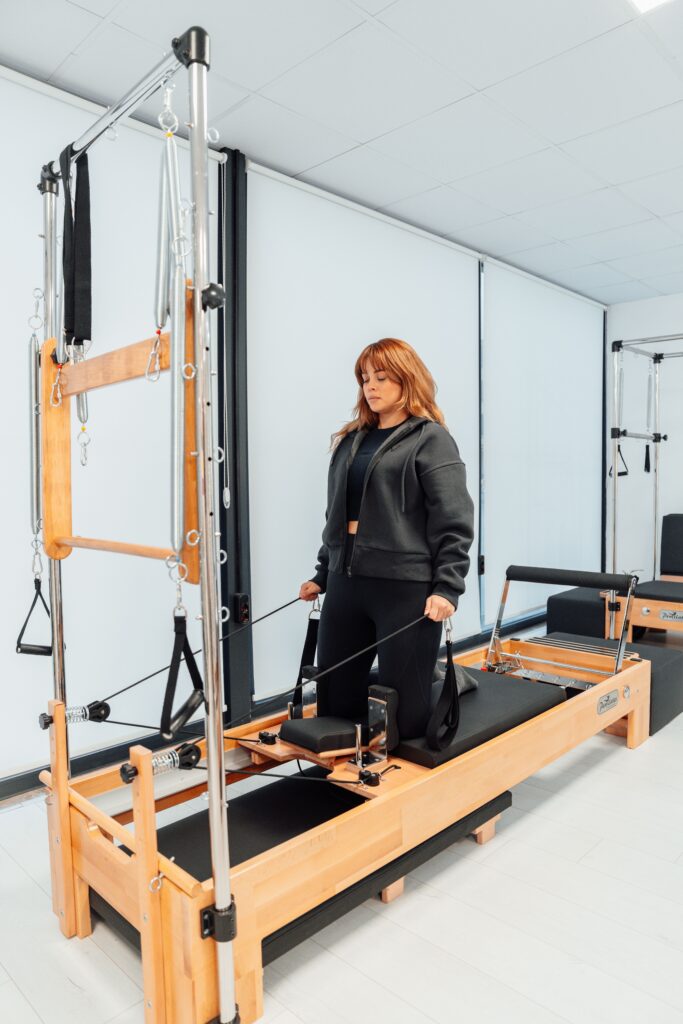
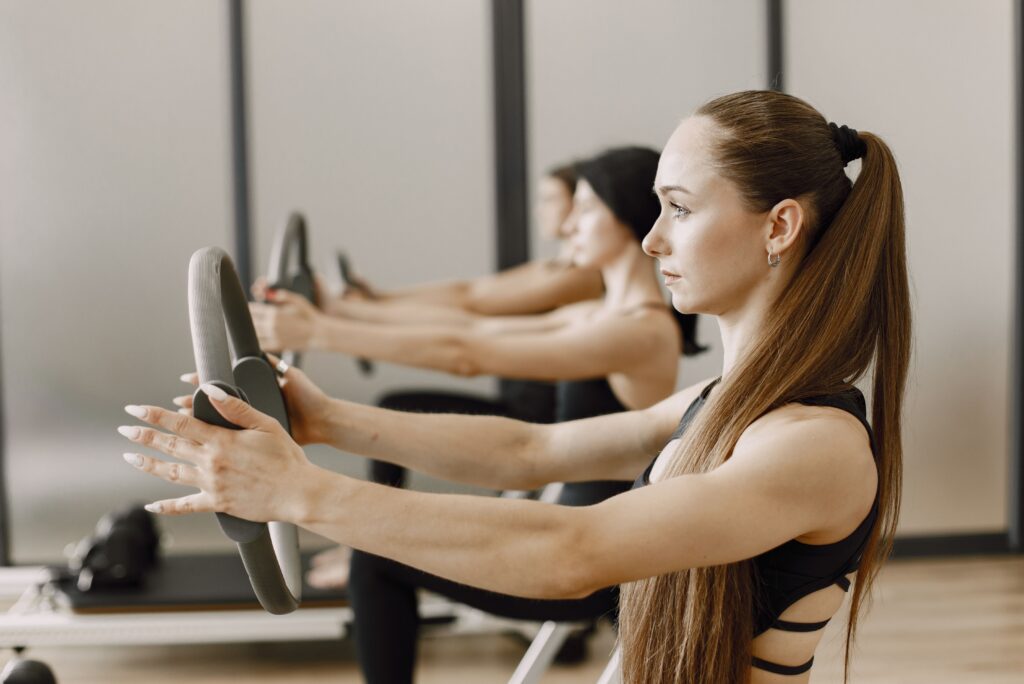
In looking at exercise conversations for women in midlife, one thing that continues to perplex me is how quickly a recommendation becomes an argument. Suggest lifting weights, and the discussion can soon become a referendum on the client’s favorite Pilates class.
For a woman balancing work, family, and exercise, this creates an unnecessary choice. She may enjoy her classes and still want to build strength or muscle. Our recommendation should recognize the activity that helped her become consistent.
My view is that Pilates and progressive strength training can occupy the same calendar, provided we explain what each contributes. Examining those demands gives us considerably more to work with than an argument about whose preferred method wins.
Respect the Habit
With respect to the habit itself, regular class attendance represents a commitment worth recognizing. Before deciding what to change, a thoughtful trainer should understand how the client has made exercise work within her life.
For instance, the class may provide friendships, a trusted instructor, or an hour away from everyone else’s needs. These considerations help explain why it has earned a place in her week, even as we examine the training stimulus.
The NHS describes Pilates as focusing on balance, posture, strength, and flexibility. We can acknowledge that range whilst examining how a particular class develops the qualities a client wants to improve.
To illustrate, consider a student who reads both novels and textbooks. Enjoying one does not remove the purpose of the other. Likewise, a valued class can coexist with additional work directed toward a specific physical goal.
The same scrutiny belongs in the weight room. Dumbbells tell us what equipment is available; exercise selection, loading, and progression tell us considerably more about the plan. We should be able to explain how it serves the client.
Give Strength a Place
My concern, therefore, centers upon the assumption that feeling challenged means every adaptation has been addressed. Coordination, repetition, and sustained positions can all prove demanding. We still need to examine how those demands support the client’s specific goals.
Specifically, the client should understand what she is improving and how we will recognize progress. Gradually lifting more on a leg press, completing additional controlled repetitions on a row, or using dumbbells with greater confidence each gives the process a tangible direction.
The CDC includes muscle-strengthening activity on at least two days per week within its adult activity guidance. For a client whose existing routine leaves this work unclear, structured lifting provides a practical opportunity to address the gap. With appropriate coaching and manageable resistance, she can begin building a program she understands.
Machines and free weights can both have a place in that process. A client entering the weight room for the first time needs instruction and a realistic starting point, rather than an expectation that she should immediately perform its most intimidating exercise. As her familiarity develops, the program can develop with her.
And yes, wanting to look better is an entirely reasonable part of the conversation. Stronger-looking legs, more visible muscle, or greater confidence in a favorite outfit may matter to her, and she should be able to say so without feeling that she has supplied the wrong answer. Our responsibility is to connect that motivation to realistic actions and expectations.
Nevertheless, appearance should not become the client’s only measure of success. The weight she can lift, the skills she has learned, and her confidence in a once-unfamiliar environment also deserve attention. These developments help her appreciate what the process is giving her.
Make the Invitation Better
NFPT’s discussion of working with seasoned fitness enthusiasts reminds us that regular exercisers bring experience to the conversation. Asking what the client enjoys and what she would like her body to do better creates room to understand that experience. It also gives us a more useful starting point for discussing additional training.
For women navigating menopause, NFPT’s training through transition discussion provides further context for considering individual needs. Listen to symptoms and concerns whilst learning about the person in front of you. Being over 40 cannot tell us everything we need to know about her program.
To this end, the invitation I would like trainers to make is a practical one: keep the class you look forward to, and let us examine where a progressive strength plan can support your goals. We can teach the necessary skills, record the work, and review how the combination fits your actual week.
A woman should be able to enjoy Pilates on Tuesday and learn to lift on Thursday with a clear understanding of why she is doing both. Helping her develop that understanding seems to me a far better use of our expertise than persuading her to take a side in an industry argument.
Ultimately, if greater strength is among the qualities a client wants to develop, it deserves a deliberate place within her program. We can respect the routine that brought her this far whilst helping her take the next step. A well-considered invitation, supported by a plan she understands, gives her a practical way to begin.