The Radiological Society of North America has recently called attention to the permanent bone loss in teenagers who are obese (1). The growth in reliance on fast food is putting teens on the fast track to obesity (2). Personal Trainers can help this population with appropriate action steps. Here is programing you can use with all your clients, scaling it to a specific population who needs us most right now.
Example Training Program

Basic Movement Patterns
Lets talk basic movement patterns. Sure, you can have a client who is obese expend calories by walking, biking, elliptical-ing, and machining. Are these the most optimal training methods to reduce the orthopedic stress on the client’s already taxed joints? Will they improve his/her posture to prevent pain and prolong adherence to your program? Will they improve his/her balance and coordination to prevent falls and injuries that often cause people further set backs in fitness and health? Maybe not to the extent that some basic activation of the glute max and glute medius though hip extension and hip abduction will.
Exercise #1 – Glute Max Activation

Our glute max is what keeps us upright. It’s what stabilizes our pelvis and vertebra. You can read more about the glute max in a post by Bev Hosford here. Most of us in America have a weak glute max from what is now being called the new smoking – sitting. A weak glute max contributes to low back and hip pain, not to mention couch butt. Hip extension exercises such as the glute bridges you see above can help activate the glute max and help prevent these issues while also providing your client with the cardiovascular training they need.
How to Scale for Clients who are Obese

Contraindications for Clients who are Obese
- Prone or Supine should be avoided. These individuals are prone to hypertension and hypotension
- No holding of the breath
- No tight grip
- Screen for comorbidities (two chronic diseases)
- Exercises should be performed in standing or seated position decrease orthopedic stress
- Ensure you have a medical release from the doctor to begin exercise

Special Considerations for Clients who are Obese
- Work closely with a Registered Dietician (RD)
- Focus on energy expenditure
- Use balance training
- Assess GAIT mechanics
- Use core and balance training
- Keep track of Body Mass Index (BMI)
- Record Circumference every week
- Talk test
- Use Self Myofascial Release with Caution, may need avoided or performed at home where comfortable.
Exercise #2 – Glute Medius Activation
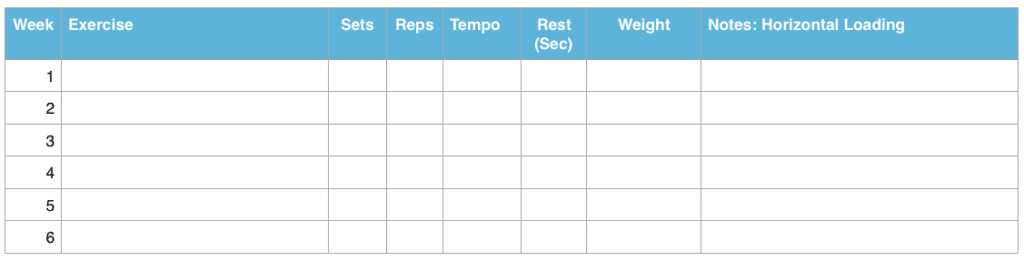
Our glute medius is what keeps our knees from knocking. You can read more about the glute medius in a post by Bev here. I activate this muscle by tube walking with resistance bands. This exercise might be a lot of orthopedic stress on a client who is carrying 30+ extra pounds. How would you scale hip abduction for a client who is obese? Write out your ideas in the format below and post it here on our Facebook. We look forward to seeing your genius maneuvering and how we can collaborate to best help this oh so deserving population.
Your Ideas Here
Get a Full Program to Use!
For a full one-day training program fit for a teenage client who is obese, share this post, tag two friends, NFPT and comment on why helping those who are obese is important to you. One of our trainers will post a full training program within 48 hours and tag you and your friends!
References