

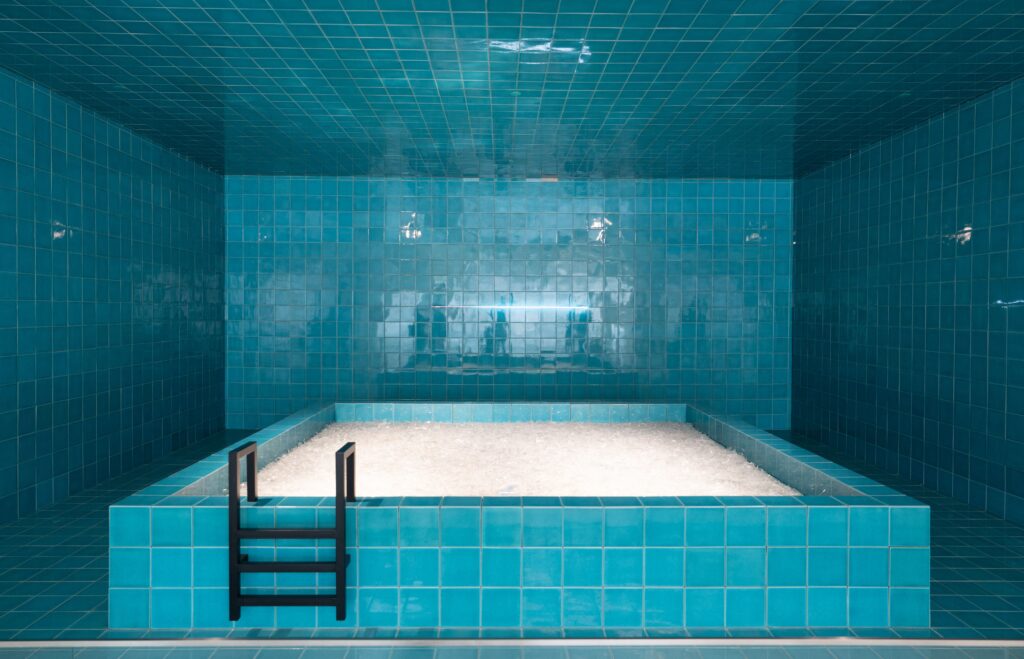
Today’s personal training clients seek more than just well-equipped workout spaces. Recovery has evolved into a nonnegotiable aspect of modern fitness regimens. It drives performance gains, extends athletic longevity, and enhances overall well-being. Recognizing the importance of recovery in an overall wellness program has prompted a surge of “recovery lounges” in clubs across the country. This article explores the many and diverse features of these rooms, and how trainers can help clients turn recovery into a life-changing key component of their workouts.
The Birth of Recovery Rooms
Elevated from its humble buzzword origins, recovery has evolved into a critical part of any wellness routine. Formerly reserved only for professional athletes, who have long emphasized the importance of recovery to optimize performance and prevent injury, regular gym attendees now seek out these benefits for their own personal use and physical/spiritual enhancement. Much like spa professionals, who grasp the rejuvenating power of relaxation, the fitness industry has begun to embrace the idea that recovery extends far beyond mere rest; it requires strategic therapies that support structured recovery and target the body’s need to repair and regenerate.
A recent survey indicated that 74% of individuals who regularly attend gyms and fitness centers view recovery as equally important as personal training regimens. Gyms that offer such recovery lounges tend to see higher membership retention rates. Key elements of a recovery-optimized environment may include the following:
- Lighting – Use of soft, dimmable lighting instead of harsh fluorescent bulbs
- Sound –Integration of calming music, nature sounds and/or guided meditation tracks
- Comfortable Seating –Creating a dedicated post-recovery relaxation area
- Temperature Control –Ensuring a balance between heat and cold therapy zones.
A Communal Process
Recovery no longer must feel like an individual experience, something a client does in his home on his off-days. Recovery lounges have evolved into social spaces where people gather to relax and recharge together. Saunas, ice baths, and communal biohacking spaces create opportunities for meaningful interactions with individuals who share a common mindset.
This paradigm shift from “rest days” to “active recovery” seems to align with a broader industry-wide wellness movement. Today’s clients seek ways to prioritize health while connecting with others in non-competitive environments that pick up where the gym floor ends. Recovery lounges, biohacking studios, and wellness tech spaces have dramatically altered how people approach recovery practices. The emerging social aspect of these facilities builds community around health beliefs that were previously private activities. This social dimension enhances the recovery experience and fosters connections that keep clients coming back.
Recovery Lounge Amenities
Using science-backed technology and data-driven methods, recovery lounges aim to optimize human performance, accelerate recovery, and promote longevity. They represent a blend of traditional workouts and cutting-edge innovations to maximize physical health in a fraction of the time it takes with traditional rest.
The core components of recovery lounges vary between gyms, but typically include the following key treatment options:
- Compression Therapy: Specialized boots that rhythmically squeeze the legs to promote blood flow, flush out lactic acid, repair cellular damage and reduce swelling
- Cold Therapy: Ice baths/cold plunges designed to shock the system and rapidly decrease inflammation, expediting muscle repair
- Heat Therapy: Infrared saunas and/or traditional steam rooms can loosen tight muscles, improve flexibility, and sweat out toxins
- Massage & Fascia Tools: Vibrating massage guns and automated hydro-massage beds will break up scar tissue and relieve tension
- Relaxation Zones: Zero-gravity recliners and quiet areas foster mental decompression and deeper breathing
- Tech-Driven Workouts: Adaptive, AI-powered equipment like isokinetic strength trainers and hypoxic (low-oxygen) training bikes deliver highly efficient exercises in just minutes rather than hours
- Biometric Tracking: Wearable tech gear, continuous glucose monitors and 3-dimensional body scanners can track progress and personalize health protocols
Specialized Offerings at Boutique Facilities
Targeting the demographic that chooses to truly elevate their recovery experience, some boutique fitness centers go beyond the aforementioned techniques and offer even more specialized treatment options.
Some clubs take a more Eastern-philosophy approach to recovery, one that promotes the restoration of inner energy by connecting users with ancient “Mother Earth” and collective ancestral healing traditions to live longer, happier lives. Here, members will find Himalayan salt caves enhanced by sound wellness therapies, to cleanse the lungs from pollutants and remove toxicity from the respiratory system. One such club features an art gallery with a spatial-audio sound system, 3-dimensional projections of natural landscapes, yoga areas, and integrative wellness therapies, from Reiki to crystal therapy, color therapy, and flower remedies. Users might also consider a soak in a white quartz crystal tub for energetic healing.
A newer technology has emerged that utilizes biophilic components as part of interior design. These may include air-purifying plants, living walls, acoustic panels, and may even extend into incorporating sounds, scents, and specific upholstery fabrics to the experience. Studies have demonstrated that biophilic design concepts may reduce anxiety, restore clearer concentration, boost creativity, and enhance mood, simply by incorporating natural elements and visuals.
Photobiomodulation therapy refers to a form of non-thermal light therapy of a specific wavelength that, in 2016, received approval from the U.S. Food and Drug Administration for temporary pain relief. The American Society for Laser Medicine and Surgery says that many trainers use photobiomodulation therapy to help athletes recover more quickly after injury. Some athletes, like Major League Baseball pitchers, use lasers as part of their warm-up routines.
Like many other recovery technologies, however, the science still has a way to go. The available science is still evolving, and will continue to evolve over time.
Traditional Rest versus Active Recovery
Many old-school personal trainers and athletes may think of recovery as traditional rest: taking a day off from the gym or simply getting a good night’s sleep. While these approaches will facilitate mental recharging and overall stress reduction, they often fail to address the specific needs of physical recovery.
Passive rest does not actively target the processes a body needs to repair itself. Muscle aches often linger without increased circulation to deliver nutrients and oxygen to the affected areas. Similarly, inflammation caused by intense exercise or daily stress might take longer to subside without targeted therapies.
On the other end of the spectrum, just shy of pushing oneself to total exhaustion, active recovery serves as a middle ground between doing nothing and overexertion. Instead of full-on rest, it involves gentle, purposeful activities or targeted therapies that promote healing while keeping the body active. This approach boosts circulation, reduces muscle stiffness, and helps flush out waste products like lactic acid.
Active recovery often involves specialized tools and techniques, as mentioned above, to reduce inflammation and enhance recovery. Research studies have shown that active recovery can reduce soreness, improve flexibility, and even enhance performance in future workouts. Unlike traditional rest, which relies on the body’s natural recovery processes, active recovery works alongside these processes, making the healing faster and more effective.
Both of these methods, traditional rest and recovery rooms, have their unique place in any well-rounded recovery routine. The key comes in finding the individual balance: understanding when to allow the body to rest passively, and when to actively support it with targeted recovery tools.
Designing an At-Home Recovery Lounge
For individuals with the space and financial means, some companies have risen to the forefront of the wellness concept by offering ready-to-use recovery spaces for home gyms. Pre-built rooms with multi-stacked technologies offer affordable, easy-to-assemble components and can include multiple technologies that interact to enhance each other’s results. This creative use of bio-stacking has met with tremendous success. Consider entering a heated room; as the temperature rises, the LED lights in the same space will deliver enhanced results, as the skin gradually becomes more hydrated. The stones within that space filter infrared and EMF, and emit different wavelengths that enhance the original infrared heat. Concurrently, Himalayan Salt and Bian stones release negative ions, combined with enriched oxygen for sound healing sessions, workouts, assisted body therapy, and more.
Adapting to the Shift to Enhance Client Experience
Some personal trainers may have a challenging time adjusting to this new outlook on technological recovery. However, fitness professionals who embrace such advances can foster better, deeper relationships with clients. As gyms continue to upgrade, the ability to guide clients through training and recovery will serve as an essential skill for today’s forward-thinking fitness professional.
Experts encourage trainers to ask clients about their level of interest in recovery technologies. They may wish to touch on the following topics:
- Rest: Does the client feel he achieves sufficient and good -quality sleep? Does he rest between intense workouts? Does any current life stress interfere with his ability to sufficiently rest?
- Hydration: Does he readily replace fluids that he may have lost during arduous workouts?
- Optimal nutrition and timing: Does he replace energy sources depleted by training with high-quality protein and complex carbohydrates? Does the client consume adequate nutrients prior to his workout? Does he intentionally seek to replenish those nutrients within 1 hour of completing the workout?
- Active recovery: Does the client currently engage in some type of low-intensity activity to facilitate recovery?
Answers to these questions often prove enlightening for trainers and can serve as a perfect lead-in to a conversation about active recovery. Scientific reviews suggest that traditional rest, focusing on the 4Rs of. Rehydrating, Refueling, Repairing, and Resting—remains the baseline necessity, with recovery room devices acting primarily as supplemental “icing on the cake”.
The fusion of the fitness and wellness industries will ultimately reshape the way we approach recovery. Clients train hard and often ‘live’ even harder. Whether a client has just completed an intense workout, has had a challenging week at work, or has returned after a rehabilitation hiatus, that body deserves more than simple rest. When one recovers with purpose, one can do more than pick up where one left off. They can genuinely move themselves forward.
References
coach360news.com/from-gyms-to-recovery-lounges-how-wellness-tech-is-reshaping-social-fitness/
biofit.io/news/recovery-biohacking-longevity-detox-studios
brassmonkey.co/en-us/blogs/journal/how-to-design-the-ultimate-recovery-space-in-your-gym
athletechnews.com/gyms-are-getting-creative-on-wellness-recovery/
physioprospt.com/recovery-room-vs-traditional-rest-active-recovery-is-the-key/
studioflex45.com/recovery-room/the-ultimate-guide-to-post-workout-recovery/
ideafit.com/recovery-techmdashan-array-of-new-products-services-and-centers/
chicagosportsinstitute.com/recovery-room/
skininc.com/wellness/health/article/22926595/recovery-and-wellness-rooms-potential-for-merging-fitness-spa
plunge.com/blogs/blog/best-recovery-tools-for-athletes?srsltid=AfmBOopyu6NO5zjz3ISDn0h5-B4ePh1lTi74SWIDhhdogSV0MTkyI7jm
pmc.ncbi.nlm.nih.gov/articles/PMC10286597/