

Pickleball is the fastest-growing sport in the U.S., and it’s attracting millions of players of all ages. For example, the 2023 Association of Pickleball Professionals (APP) Pickleball Participation Report revealed that 14% of adult Americans played at least once in the past year, and nearly half of all players (over 16 million) plan to play even more in the next six months.
Pickleball is no longer just a casual game, as indicated by the rise of professional leagues and competitive rankings like the Dynamic Universal Pickleball Rating (DUPR). Weekend warriors to high-level athletes know that skill alone isn’t enough, and it’s important to rely on targeted workouts to prevent injuries, boost agility, and sharpen key techniques.
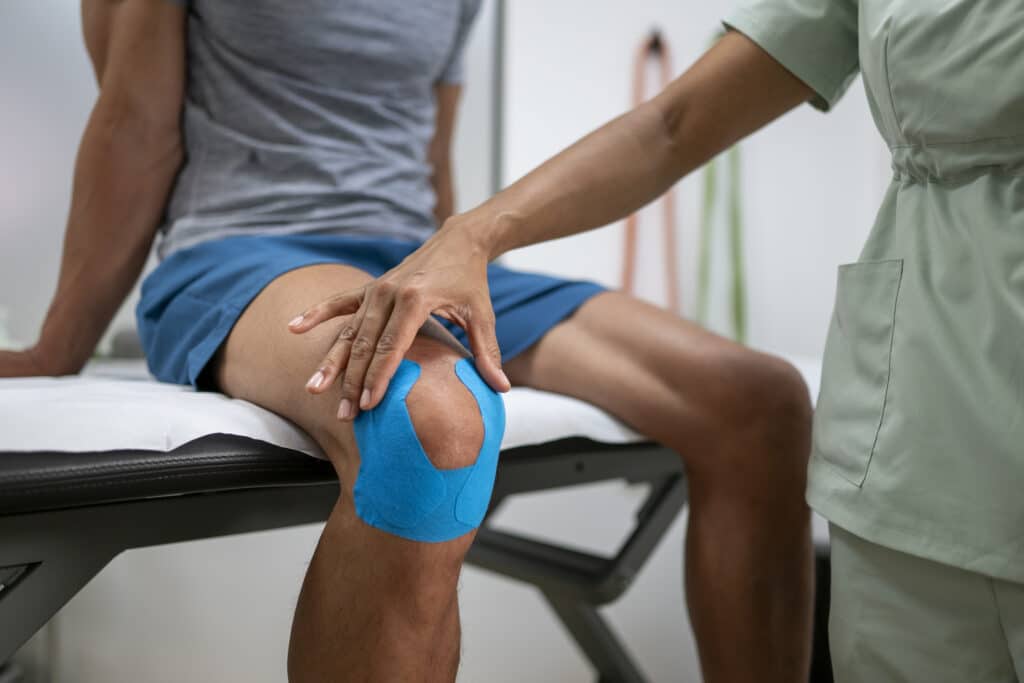
Also, casual athletes can benefit from a pickleball-targeted exercise prescription, since it has a high injury rate. For example, with pickleball booming in popularity, injuries have risen sharply, such as nearly ninefold over the past decade, particularly among players over 65. The most common issues are strains, sprains, and fractures, affecting up to 30% of cases, and about 7 out of 10 players experience some type of injury each year. Falls remain the leading cause, and eye injuries are becoming increasingly common, underscoring the importance of safety and proper conditioning on the court, regardless of whether your client is a casual player, weekend warrior, or more fervent competitor (Yu et al., 2025).
So, as a Fit Pro, whether your clients are aiming to dominate their local league, prevent injury, or simply improve court performance, a smart pickleball workout plan can take their game to the next level. From building stamina to strengthening their core and improving reflexes, the right exercises make every pickleball experience count!
Why Pickleball Conditioning Workouts Are Essential
Agility and Speed: Competitive play requires quick lateral movements, rapid changes in direction, and sharp reflexes. Conditioning and developing agility help athletes move efficiently around the court, respond more quickly, and strengthen their defensive play.
Cardiovascular Endurance: Pickleball features fast-paced rallies demanding sudden bursts of energy and sustained effort by athletes. Strong cardiovascular fitness improves stamina for longer matches, supports consistent shot execution, and speeds up recovery between points.
Injury Prevention: Even though pickleball is a non-contact sport, it carries injury risks. Building strength and flexibility reduces the likelihood of common pickleball injuries like sprains, strains, stiffness, and inflammation.
Power and Strength: Shots like overhead smashes and drives demand power. Strength training for the legs, core, and upper body enables athletes to generate more force without sacrificing proper form.
Hence, a well-rounded pickleball workout program targets cardiovascular endurance, strength, flexibility, and mobility, helping athletes enhance every aspect of their game.
Pickleball Workouts to Enhance Agility and Speed
To excel in pickleball, players need more than just solid technique—they need quick feet, explosive power, and the ability to change direction in an instant. Incorporating targeted workouts into your routine can significantly improve agility and speed, helping you reach more shots, recover faster, and stay competitive during fast-paced rallies. The following exercises are designed to build lower-body power, enhance coordination, and sharpen movement efficiency on the court.
- Box Jumps: Increase leg power for sprints and overhead kills.
- Ladder Drills: Boost foot speed, agility, and coordination for quick directional changes.
- Jump Rope: A high-intensity, full-body workout that will also improve agility and coordination. You can incorporate variations such as high knees, side-to-side jumps, single-leg hops, and crisscrosses into your routine for maximum benefit.
Pickleball Workouts to Boost Cardiovascular Endurance
Enhancing cardiovascular endurance allows your clients to stay active on the court longer without fatigue. Several exercises can help build stamina. Here are a few options to incorporate:
- Running or Jogging: One of the easiest ways to improve endurance. Either can be tailored to your clients’ goals. Long, steady runs build lasting stamina, while interval sessions alternating jogging and sprinting boost both speed and endurance.
- Cycling: This can be done on a stationary bike or outdoors. Cycling improves cardiovascular fitness. Longer rides within the clients’ aerobic threshold develop aerobic endurance. Interval training such as short, intense sprints followed by easy pedaling puts your clients’ in anaerobic training thereby enhancing anaerobic capacity.
- Swimming: Strengthens both cardiovascular and muscular endurance while being gentle on the joints. This can be especially beneficial for your 65+ clients. Athletes can choose aerobic training by completing many laps at their aerobic threshold or short, high-intensity sprints to suit training needs.
Pickleball Workouts for Injury Prevention: Flexibility/Range of Motion
Flexibility is key for pickleball clients to maintain a full range of motion and reduce injury risk, while also supporting quicker, more efficient movement on the court. Improved flexibility allows players to reach wide shots, rotate through strokes with greater ease, and recover faster between points, ultimately enhancing both performance and longevity in the game.
- Dynamic Warm-Up: Begin each session with dynamic movements to prepare your clients’ muscles for activity. Effective exercises include leg swings (forward and backward, and side to side) and arm and hip circles to get your body ready for play or strength training.
- Static Stretching: After a pickleball match or workout, static stretches help improve muscle flexibility and prevent tightness. For example, have your clients sit with their legs extended and slowly reach toward their toes to stretch the hamstrings and lower back.
- Rotational and Shoulder Flexibility: Focus on exercises that enhance mobility for key pickleball movements. Cross-body shoulder stretches, triceps stretches, and torso rotations target the muscles used in forehands, backhands, and serves.
Pickleball Workouts for Improving Strength
Strength conditioning should help clients develop targeted areas of their body and build overall strength, supporting the power, stability, and endurance needed for consistent performance. By building strength in key muscle groups, such as the legs, core, and shoulders, players can generate more force in their shots, maintain balance during quick movements, and reduce the risk of overuse injuries. Below are some options for lower-body, core, and upper-body strength exercises.
Lower Body Strength Workouts
- Squats: Squats strengthen your clients’ quads, hamstrings, glutes, and calves, helping your clients stay low during rallies and move quickly across the court.
- Lunges: Lunges improve balance, single-leg strength, and coordination for quick lateral movements.
- Calf Raises: Strong calves are essential for quick push-offs and jumping.
Core Strength Workouts
- Planks: Planks activate your clients’ entire core, including the abs, lower back, and obliques, improving balance and stability during play.
- Russian Twists: Russian twists target the obliques, which generate rotational power for forehands, backhands, and serves.
Upper Body Strength Workouts
- Push-Ups: Push-ups don’t require any equipment and strengthen the chest, shoulders, and triceps.
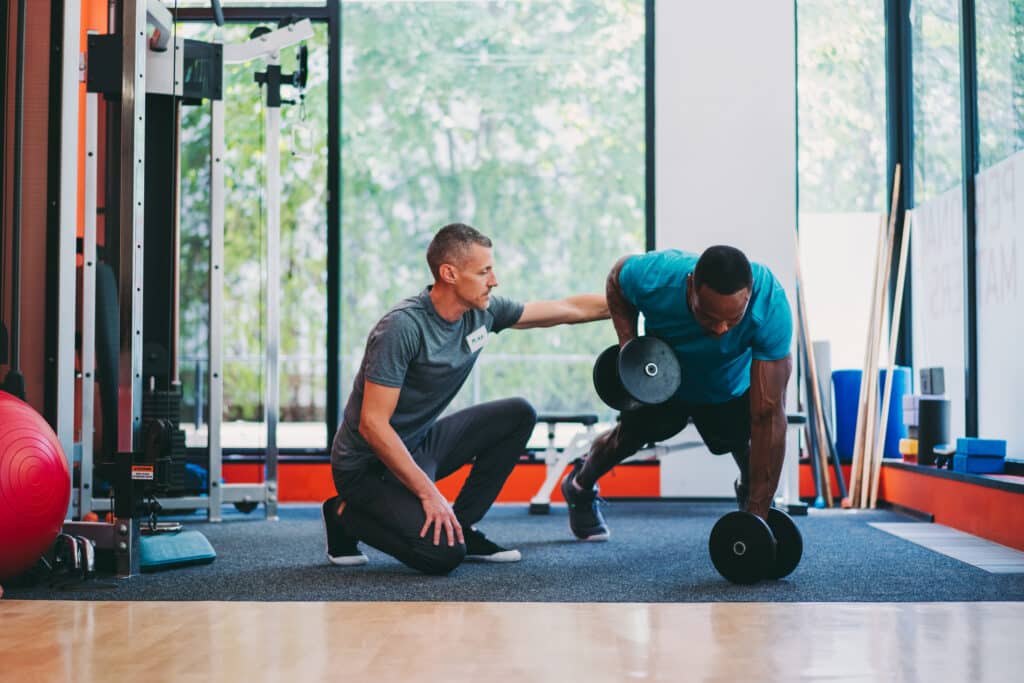
- Dumbbell Rows: Rows strengthen the upper back and shoulders, which control posture during powerful shots.
- Triceps Dips: Triceps dips strengthen the arms, including vital muscles for volleys and serves.
Pickleball Performance Workout (60–75 minutes)
Here’s a 60-75-minute sample workout (this can be adjusted for regression or progression based on your client’s fitness level).
1. Warm-Up – 10 minutes
Prepare your clients’ body for movement, increase heart rate, and reduce injury risk.
- Dynamic Leg Swings: 10 reps per leg (forward/backward and side-to-side)
- Arm Circles: 10 reps forward and backward
- Hip Circles: 10 reps each direction
- High Knees or Jog in Place: 1–2 minutes
2. Cardiovascular & Endurance – 15 minutes
Boost stamina for longer matches and quick recovery between points.
- Interval Jog/Sprint: 30 seconds sprint / 90 seconds jog × 5 rounds
- Jump Rope: 3 sets × 60 seconds (variations: high knees, side-to-side, crisscross)
- Optional Cycling or Swimming: 10–15 minutes steady-state for low-impact endurance
3. Strength & Power – 20 minutes
Develop explosive movements, core stability, and upper body strength for powerful shots.
Lower Body:
- Squats: 3 sets × 10 reps
- Lunges (Walking or Stationary): 3 sets × 10 reps per leg
- Calf Raises: 3 sets × 10 reps
Core:
- Planks: 3 × 30–45 seconds
- Russian Twists: 3 × 10 reps (5 each side)
Upper Body:
- Push-Ups: 3 × 10 reps
- Dumbbell Rows: 3 × 10 reps per arm
- Triceps Dips: 3 × 10 reps
4. Agility & Functional Movement – 10 minutes
Enhance court coverage, reaction time, and coordination.
- Ladder Drills: 3 × 30 seconds (forward, lateral, in-and-out patterns)
- Box Jumps: 3 × 6-8 reps
- Quick Side-to-Side Shuffles: 3 × 20 seconds
5. Flexibility & Cool-Down – 10 minutes
Promote recovery and maintain a full range of motion.
- Hamstring Stretch: Sit and reach for toes, hold 20–30 seconds
- Cross-Body Shoulder Stretch: 20–30 seconds per arm
- Triceps Stretch: 20–30 seconds per arm
- Torso Rotation Stretch: 5-10 reps per side
Final Tips for Clients
Encourage hydration throughout the workout, proper form on all exercises, and focus on controlled, quality movements rather than speed or weight. For advanced athletes, you can add resistance bands, medicine balls, or heavier dumbbells and free weights for extra challenge.
References
Association of Pickleball Professionals. (2023, March). 2023 APP pickleball participation research: Part two. https://cdn.prod.website-files.com/642c2ebf6376c444976a3f95/648b7da1f7224a74177f1223_2023_APP_Pickleball_Participation_Report_-_March_2023.pdf
Yu, J., Yendluri, A., Linden, G.S., Namiri, N.K., Corvi, J.J., Song, J., Parsons, B.O., & Parisien, R.L. (2025). Increasing incidence of Pickleball injuries presenting to U.S. Emergency Departments: A 10-year epidemiologic analysis of mechanisms and trends. Orthopedic Journal of Sports Medicine, 13(1). 23259671241305364. doi: 10.1177/23259671241305364.
Stroesser, K., Mulcaster, A., & Andrews, D.M. (2024). Pickleball participation and the health and well-being of adults—A scoping review. Journal of Physical Activity and Health, 21(9), 847–860. https://doi.org/10.1123/jpah.2024-0092