

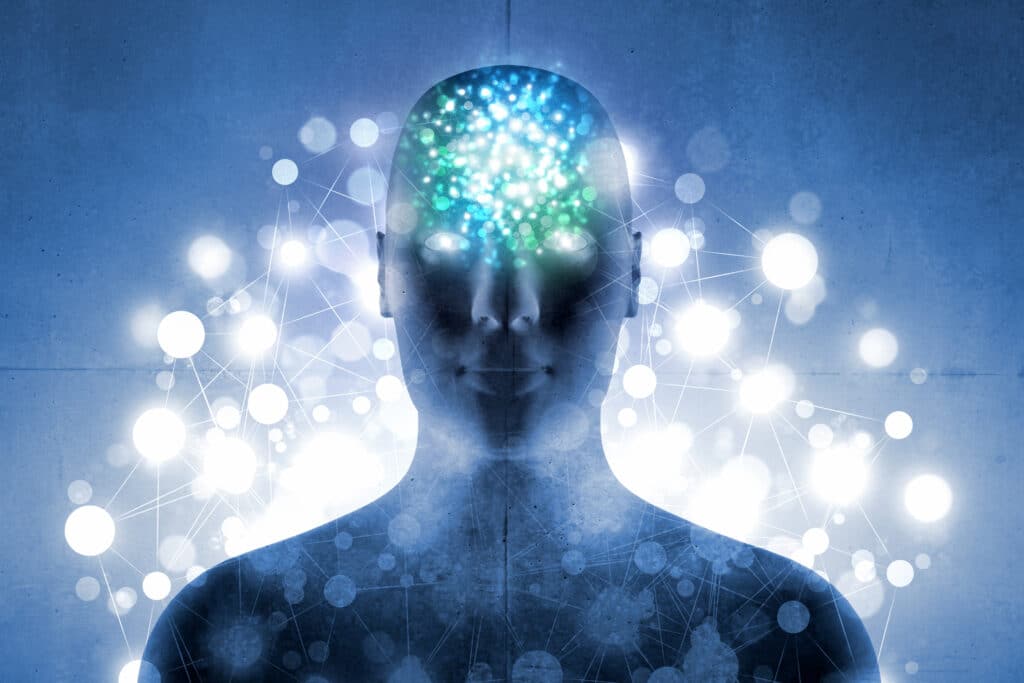
The arrival of a new calendar year typically coincides with the introduction of many new concepts in the world of fitness and exercise. Neuro-fitness, one of this year’s top-trending concepts, aims to combine physical movement with targeted training for the brain. While not necessarily a new idea, scientists and exercise professionals have begun to envision all manner of interesting and interactive workout programs, designed to keep both the body and the mind in top performing condition. Read on to learn more about these exciting advances.
Training in Tandem
Neuro-fitness, considered a holistic approach to health and wellness, leans heavily into the notion of physical activity promoting neuroplasticity and improving cognitive functions. We can think of this approach as arriving at the intersection of coordination exercises, memory tasks, reaction-time games, and endurance training.
Special training devices measure brain activity during workouts and adjust exercises accordingly. Coordination exercises align with memory tasks, and endurance training complements reaction games. This concept boasts far-reaching potential, spanning all age demographics, particularly the ever-increasing older population. Research from the German Center for Neurogenerative Diseases indicates that integrating cognitive and motor training can lessen one’s risk of developing cognitive impairment while also boosting physical fitness. Training the brain, as it turns out, facilitates long-range health just as much as keeping one’s body in peak physical condition.
Emotions and Social Connections
In addition to physical movements, neuro-fitness protocols also place an emphasis on personal happiness/life satisfaction and social interactions, prioritizing quality time allocated to friends and family. These all play key roles in overall wellness. “Neuro-fitness is the balance between the brain, body, and emotions,” says Reem Al Hassani, Emirati Olympic rowing champion and inventor of RNPD-PRO, a neuro-fitness diagnostic tool. “It’s about training the brain just like we train our muscles – to handle pressure, stay focused, and recover faster. It strengthens awareness, emotional control, and mental flexibility, all essential for achieving high performance in both sports and life.”
Greater Than the Sum of its Parts
Modern approaches to good health have long recognized the importance of training the body and the brain concurrently in order to achieve maximum benefits to both. According to Christi Gadd, a clinical psychologist at Thrive Wellbeing Centre in Dubai, “Neuro-fitness is a practical umbrella term for maintaining and improving the brain’s adaptability, efficiency, and resilience. In practice, it means shaping daily routines to keep vascular and metabolic support to the brain strong, stimulating plasticity via meaningful learning and novelty, regulating stress physiology, and investing in supportive social relationships.”
Included in neuro-fitness programs, one will find a focus on achieving proper sleep, remaining adequately hydrated, learning to manage daily stress, eating a healthy and balanced diet, and participating in social activities. “Improving brain health doesn’t require expensive tools. Small daily choices can make a real difference,” says Aswathi NS, a clinical dietitian at Aster Cedars Hospital & Clinic in Dubai. “Scientific research supports the idea that the brain responds positively to regular mental stimulation, physical activity, and a balanced diet. So, while the term ‘neuro-fitness’ may feel trendy, the principles behind it are well-established in neuroscience and lifestyle medicine.”
Fostering Neuroplasticity
A primary goal of neuro-fitness focuses on supporting neuroplasticity within the body. This term encompasses not merely mental well-being through adulthood and the aging years beyond, but also involves strengthening cognitive agility.
Neural pathways, the communication superhighways within the brain that support perception, memory, emotion, and action, require “workouts” just like the physical body. In this case, a workout involves repeatedly activating the neural pathways through exercise, mental agility, and social activities. Through these endeavors, one strengthens the brain synapses, leading to improved response times and increased neuroplasticity. In this manner, neuro-fitness enables the brain to change, adapt, and form new connections.
By strengthening neuroplasticity, one can actually improve one’s adaptability/ability to learn new skills, memory, and emotional resilience, which often affects how well one’s body can recover from an injury or stress.
Different Approaches for Differing Stages of Life
We can find and finely-tune neuro-fitness at any age/stage of life. As a child, building on neuro-fitness seems to occur as a natural result of play, creative movement, and innovative learning aimed at satisfying a young person’s budding curiosity. During this time frame, adults do need to exert some guidance, most specifically in the areas of providing good nutrition and facilitating a child’s getting a good night’s rest.
As the body proceeds into early-to-mid-adulthood, neuro-fitness takes on more complex tasks, such as career/skill development. Learning to manage and regulate stress also figures prominently during this time. Later in adulthood, neuro-fitness takes on a different approach. In addition to aerobic exercise, strength training, and prudent nutrition, experts suggest prioritizing novel experiences, such as trying to learn a new language or branching out into the appreciation of different music genres.
Christi Gadd points out that as one eases into advanced adulthood/old age, maintaining neuro-fitness remains vital. In an effort to preserve basic functionality, she suggests gentle movement, rich social connections, and calm, reflective practices such as meditation.
A Lifestyle, Not a Life Hack
Achieving what scientists term a “balanced brain” serves us well in just about every aspect of daily life. As such, we must understand that neuro-fitness surpasses mere science and biohacking. Rather, it represents the cumulative effect of regular behaviors over one’s lifetime that support improved brain structure and function.
Adopting a neuro-fitness approach to daily health means participating in enjoyable activities, rather than forcing oneself to engage in movement that he does not find pleasant. Choose an activity or endeavor that occurs at the same time/day each week. This will help to establish a pattern.
Neuro-Fitness and Cognitive Psychology
Professor Bruno Ribeiro, Director of the Cognitive Health Unit at SHA Wellness Clinic, works on specific exercises aimed at increasing cognitive reserve and neurogenesis, the process through which the brain creates new nerve cells. One also believes that, as the body ages, certain areas of one’s brain that might have remained inactive can get re-stimulated, increasing one’s processing capacity/speed. This, in turn, leads to improved brain function.
Ribeiro references studies that sought to explain why some patients who have suffered traumatic brain injuries recover better than others. He discovered that those patients with more years of education or who have remained more mentally active recovered faster and more completely. Apparently, by having built up cognitive “reserve”, one can draw upon those reserves even after a brain injury.
Core Principles of Neuro-Fitness
Research in the field of neuro-fitness shows that participating in 5-8 minutes of cognitive exercises while simultaneously challenging balance/stability can boost focus, memory and attention span. This unique blending of biometrics, neuroscience and selected physical training succeeds even in individuals living with neurological challenges such as Parkinson’s disease or multiple sclerosis.
Some highly specialized training centers offer in-depth neuro-fitness experiences. While not considered mainstream, the novel process does involve very specific mind-body interaction monitoring equipment.
By employing neural headbands or sound-based stimulation, these machines can measure one’s focus, stress levels, and cognitive readiness even prior to physical exercise itself. Studies suggest this kind of mental priming could enhance skill acquisition by 2–3x and make workouts 30–40% more effective.
Throughout these workouts, the specialized trainer can continuously monitor his client’s heart rate, blood glucose levels, brainwave activity, and muscle oxygen saturation levels. Some of the workouts focus on strength, others on speed. More recovery-based workouts focus on such aspects as breathing techniques and flow-based movements.
At the conclusion of such sessions, the client can enter the recovery process, complete with electro-neural massage bodysuits, designed to stimulate neural pathways for a more expedient recovery. This enables the client to return to his peak performance abilities faster than ever.
Designing Neuro-Fitness Routines
As we alluded to earlier, neuro-fitness routines include structured sets of activities and habits designed to enhance the performance of one’s brain. Well past simple puzzles or “brain teasers”, these activities integrate physical movement, nutrition, mindfulness, learning, and lifestyle choices to foster an all-inclusive approach to cognitive health.
Building daily neuro-fitness routines need not necessitate a complete life overhaul or makeover; small, consistent changes can make a big difference over the course of a lifetime.
The following routines break up the day into morning, mid-day, afternoon and evening exercises. Give them a try for a week or two. Feel free to make your own personal adaptations to suit your moods/emotional needs, etc.
1. Morning Rituals
Hydrate/Nourish the Brain
The brain contains approximately 75% water; even mild dehydration can affect focus and memory. Start each day with an 8-ounce glass of water, followed by a balanced breakfast. This meal might include healthy fats (like avocado or nuts), protein, and complex carbohydrates to fuel the body and the brain for the day ahead.
Move the Body, Activate the Mind
One of the primary goals of physical activity, increasing blood flow to the brain, also stimulates the release of neurotrophic factors that support brain health. Experiment with taking a brisk walk, engaging in a short yoga session, or even spending a few minutes stretching. For an extra neuro-fitness boost, pair any of these movements with stimulating mental challenges—recite a poem while walking, or do simple math problems during the workout.
Mindful Meditation
Spending just 5-10 minutes in mindful meditation/deep breathing exercises can go a long way towards calming the nervous system, lowering stress and readying the brain for laser-sharp focus.
2. Midday Neuro-fitness Boosters
Make Time for “Neurobic Breaks”
Neurobics, a relatively new term, refers to brain exercises that involve using the 5 senses in unique and novel ways. Examples include teeth brushing using the non-dominant hand, driving a different route to work, or eating lunch with eyes closed. These small challenges force the brain to adapt and form new neural pathways/connections.
Focused Learning Sessions
Devote 20-30 minutes to learning something new: a skill, a language, a musical instrument, or a new exercise. When we push ourselves past our usual comfort zone, we can begin to invite and observe true growth.
Prioritize Brain-Boosting Foods
For lunch or a mid-morning snack, choose foods that support cognitive function. Blueberries, walnuts, leafy greens, and dark chocolate serve as easy and delicious options. Keep in mind that omega-3 fatty acids, found in fatty fish and flaxseeds, play vital roles in brain health.
3. Afternoon Neuro-fitness Practices
Power Nap/Purposeful Rest
A brief nap, 10-20 minutes in length, can recharge the brain and improve alertness. If napping will not work, either due to location or surrounding distractions such as ambient noise, try a few minutes of mindful rest—close eyes, breathe deeply, and allow the mind to simply wander.
Embrace a Challenging Task
Set aside time in the afternoon to work on a difficult project or solve a complex problem. Challenges such as these force the brain to adapt and grow.
Connect with Someone
Meaningful social interactions stimulate the brain and invite emotional stability. Call a friend, join a group discussion, or chat with a colleague. Sharing ideas and experiences keeps the mind flexible and engaged.
4. Evening Neuro-Fitness Wind-Down
Put away Digital Devices
Turn off screens at least one hour prior to bedtime. The blue light that most devices emit can disrupt sleep cycles and impair memory consolidation.
Reflect and Write
Spend a few minutes reflecting on the day, jotting down three things learned, challenges overcome, or moments of gratitude. Journaling helps organize thoughts, process emotions, and reinforce positive habits.
Prioritize Sleep
In order for neuro-fitness to serve its purposes optimally, one must achieve adequate rest. Aim for 7-9 hours of sleep each night, ending the day ideally at the same time each night. Establish a relaxing bedtime routine—dim the lights, avoid caffeine late in the day, and keep the bedroom cool and quiet.
The Influence of Nutrition on Neuro-Fitness
The old adage, “You are what you eat” may have some merit here. Our food choices directly impact the brain’s performance. Below we list some key nutrition tips to support any neuro-fitness routine:
- Create a Rainbow on the Plate: Colorful fruits and vegetables provide antioxidants that protect the brain from oxidative stress
- Focus on Healthy Fats: Omega-3 fatty acids, found in fish, walnuts, and flaxseeds, fuel crucial needs in regard to brain cell structure and function
- Shift away from Sugar and Processed Foods: Diets high in simple sugars often lead to brain fog and mood swings. Choose whole, unprocessed foods whenever possible
- Cook with Brain-Boosting Herbs: Turmeric, rosemary, and sage have proven to improved cognitive function.
Final Thoughts
As the average life expectancy increases, and individuals often live past their 100th birthdays, maintaining a healthy and agile brain no longer seems like just sound advice but rather a mandate that we should take seriously.
Given the demands and challenges of today’s fast-paced society, we may find ourselves constantly bombarded with the need to multitask, often blurring the lines between work life and personal space. Such an environment can lead to mental/emotional fatigue, forgetfulness, and even burnout.
Neuro-fitness routines offer a proactive solution. By training the body and the brain daily, individuals can accomplish all of the following:
- Improved ability to concentrate and tune out distractions
- Enhance memory and recall
- Elevate problem-solving skills
- Build emotional resilience and stress tolerance
- Protect the brain against age-related decline
References
mindlabneuroscience.com/neurofitness-routines-daily-habits/
linkedin.com/pulse/neurofitness-studio-future-fitness-already-her-ryan-charlesworth-edcse
neurofitnessfoundation.org
functionalmedicine.doctor/what-is-neuro-fitness-how-can-it-benefit-me/#:~:text=Neuro%20fitness%20is%20a%20personalized%20fitness%20program,disease%20*%20Early%20diagnosis%20of%20Alzheimer’s%20disease
physioposturefitness.com/physiotherapy/neurofitness/
neurofitusa.com/how-does-neurofit-work-1
healingholidays.com/blog/neurofitness-how-to-train-the-brain-in-a-mental-gym
thenationalnews.com/lifestyle/2025/11/19/what-is-neurofitness-different-ages/#:~:text=“Neurofitness%20is%20a%20practical%20umbrella,and%20eating%20a%20balanced%20diet.
premiummedicalcircle.com/en/artikel/5-fitness-trends-for-2026-the-revolution-of-training-is-approaching