
Emphasis
The primary muscles stressed in this movement are the chest muscles (pectoralis major and minor). The secondary muscles stressed are the shoulders.
Starting Position
Grab a dumbbell in each hand and carefully lay on an incline bench set at a 30-45 degree angle with your arms extended straight up toward the ceiling. Push your chest up toward the ceiling and squeeze your shoulder blades together. This will help to isolate the upper and central muscles on the chest.
Movement
With your elbows slightly bent, take two to three seconds to lower the dumbbells out to the side until your elbows are level with your shoulders. Keep your wrists straight and your palms facing up toward the ceiling. Raise the dumbbells straight up to the starting position again, keeping a slight bend in your elbows. Contract your chest hard before repeating the movement.
Training Tips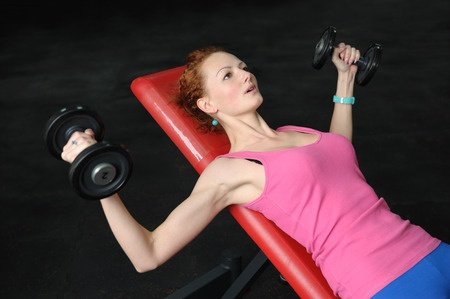
- When raising the dumbbells up to the starting position do not overextend your shoulders and raise them off the bench. This will help isolate the chest muscles.
- Keep your feet flat on the floor to help balance your body.
- Avoid locking out your elbows after you have raised the dumbbells. This will take the isolation out of the chest.
Options
- This movement can also be performed with cables if they are available. The technique is the same with your upper chest aligned with the cable pulleys.
- This movement can also be performed with your wrists supinated.
Warning Tips
- Do not overextend your shoulders when raising the dumbbells up. Failure to do so can result in serious injury to your shoulders.
- Do not excessively arch your back or raise your hips off the bench. Failure to do so can result in serious injury to your back.
- Do not lower the dumbbells any faster than two to three seconds. You must stay in control at all times during this movement. The faster you perform this movement, the less control you will have which will increase your risk of injury.
- Do not lock out your elbows after you have raise the dumbbells. Failure to do so can result in serious injury to your elbows.
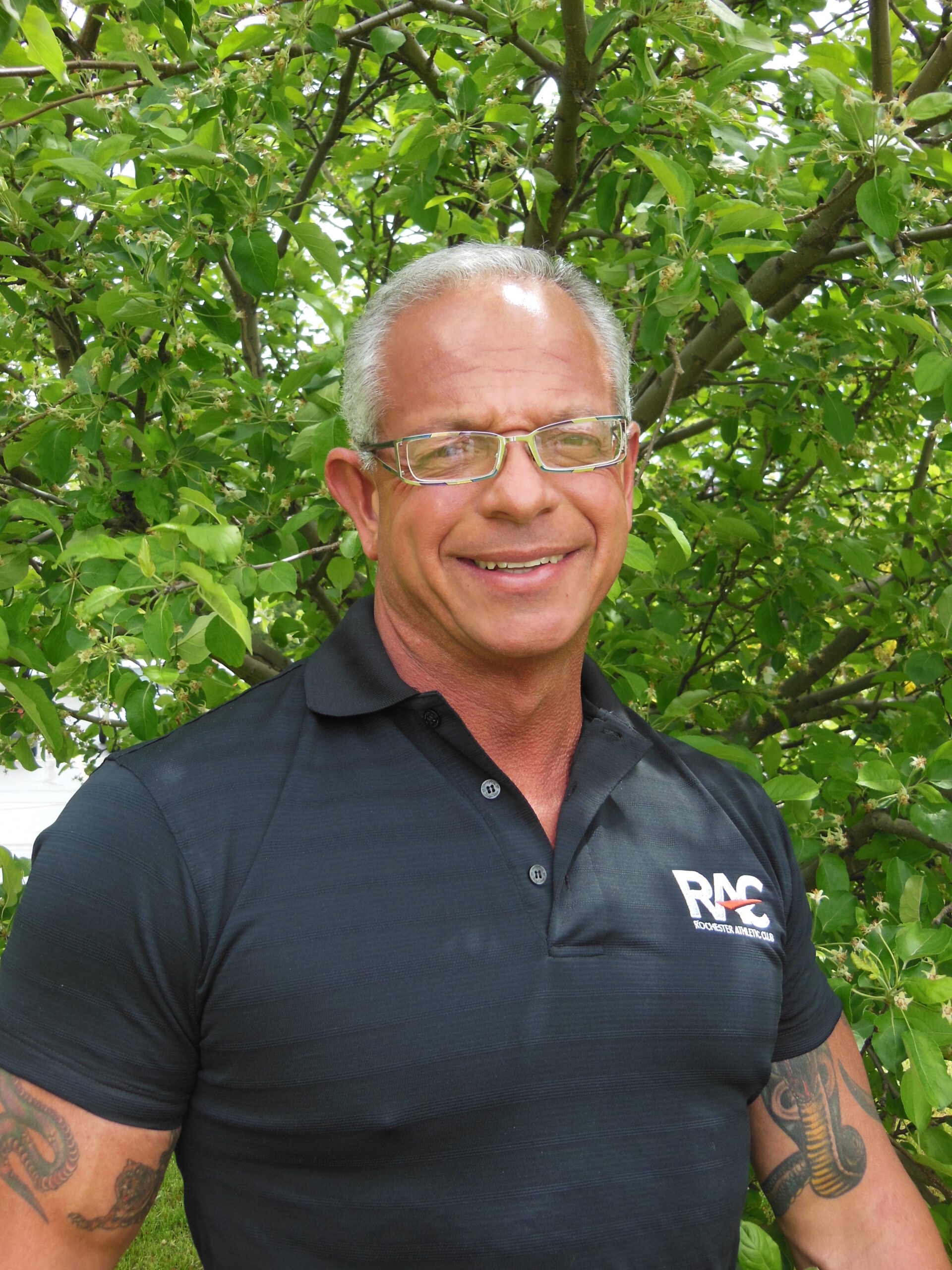
As one of the most successful Professional Personal Trainers and Exercise/Fitness Therapists in the United States, Robert continues to remain at the forefront of the industry by providing his clients with a thorough education and the tools to implement that education. By improving his client’s physical health, strength, endurance, cardiovascular fitness and nutritional habits, he is able to motivate them to lead longer, happier and more productive lives. Find out more about Robert and his personal training career and services, here.