

Honest Answers for Aspiring Trainers Wondering Is Personal Training Certification A Scam
Personal training certification is not a scam, but not all certifications are created equal. A legitimate certification provides a baseline of knowledge (not excessive or advanced), credibility with employers, and a structured path to get certified and pass the CPT test. However, certification alone doesn’t make someone a great trainer. Real success comes from experience, coaching, and continued learning.
If you’re trying to decide whether certification is worth it, here we’ll cover what certification does, what it does not do, and how to choose the right one.
A certification does not designate advanced expertise. It qualifies an individual to safely and effectively function day 1 as a personal trainer. It’s the baseline for advancement. And, advancement comes through experience, practice, and continuing education.
Want to see what a certification package includes? NFPT breaks personal training packages down in simple terms.
Is Personal Training Certification a Scam?
No, a personal training certification (or the certifying bodies) is not a scam. However, the quality of certifications vary significantly. Reputable organizations offer accredited certifications that validate foundational knowledge and differentiate a fitness enthusiast from a qualified professional. The gold standard in the industry is accreditation through the National Commission for Certifying Agencies (NCCA), which is also used across healthcare and other regulated professions. If a certification is not accredited, it may lack credibility with employers and limit job opportunities.
The real issue isn’t certification itself. Instead, it’s a misunderstanding of what certification is meant to do.
How Did Getting Certified In Fitness Become Popular?
Certification in the fitness industry is not new. Credibility was added to this profession 30 years ago. While there are many notable social media influencers without a personal training certification, it would be difficult for them to find employment in a fitness facility without the accredited certification. They’d also find it challenging to be insured in the fitness profession. While these individuals might have sound fitness and nutrition recommendations, it hasn’t been verified by a secure personal training certification examination. For the vast majority of people interested in earning an income by providing fitness coaching certification, they will absolutely need the credential to do so.
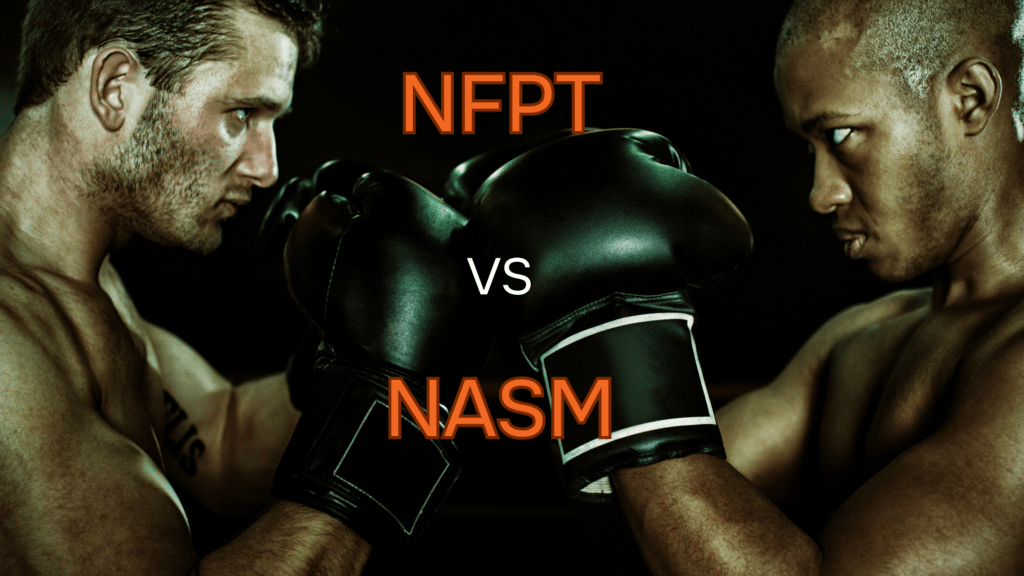
If you’re comparing certifications, see how NFPT stacks up against other top options before you decide.
Is a Personal Training Certification All You Need?
For many, obtaining their CPT is enough to find success in the industry. Earning this qualification is the start, not the finish line. Part of a certification program requires ongoing continuing education. As part of this process, trainers often choose to specialize in a unique population or topic, such as nutrition coaching, athlete endurance training, or cancer recovery. This dedicated choice of specialization allows a trainer to hone their craft, charge more for their services, and help fitness clients get better results. However, purchasing specializations before becoming a trainer isn’t a good course of action.
Certification for validating the skill of the individual, where it pertains to job applicable knowledge, is nothing new – it’s just not the whole picture. The concept of certification has been around for a very, very long time. There are many types of certification across hundreds of different industries, it’s a standard concept for establishing a baseline. Here’s why I say ‘Certification is NOT a scam’:
Every Great Personal Trainer Started Somewhere
Every elite personal trainer was a new student to fitness and exercise science. They started, like most others, with a passion for the topic and a curiosity on how to become a personal trainer. They went from having fitness as a hobby to wanting to be better at it and grow in the ability to transform lives with health and fitness.
Certification was their first big step toward saying “I’m serious about fitness”. This first step didn’t qualify them as an expert. This is possibly why “personal training certification is a scam” started to become a question.
Certification Establishes a Baseline
If it weren’t for certification, there would be no other baseline unless employers began asking for a degree or license. While these advanced credentials are great for our industry, employers and gyms argue it’s excessive education for the role. This is especially the case for facilities looking to hire part time trainers—or for the type of person who wants fitness as a side gig.
For people who want to be working in healthcare or a medical facility, advanced credentials are required. And, in most cases, those advanced credentials are those of a physical therapist. For the trainer who is working hard to get their client great results, in their local gym or in their private studio, more science rarely leads to better client results. Science constitutes about half of it, the other half is motivation and behavior coaching. These are the intangibles of personal training.
What to Look for in a Legitimate Personal Training Certification
Not all personal training certifications are created equal. If you’re evaluating your options, here’s what actually matters:
Accreditation (NCCA)
Look for certifications accredited by the National Commission for Certifying Agencies (NCCA). This is the gold standard in the industry and signals that the program meets rigorous, third-party standards. Most gyms and employers recognize NCCA-accredited certifications.
Employer Recognition
A certification should be widely accepted by gyms, studios, and fitness organizations. If employers don’t recognize it, it limits your ability to get hired or build credibility with clients.
Pass Rates and Exam Support
Some programs make passing unnecessarily difficult, often pushing students to purchase additional materials. Look for certifications that provide clear study resources, structured support, and a fair path to passing the exam on your first attempt.
Practical Application (Not Overly Academic)
The goal of certification is to prepare you to train real clients—not to overwhelm you with unnecessary complexity. Strong programs focus on applying key concepts like movement patterns, program design, and client coaching in real-world scenarios.
Ongoing Support and Continuing Education
Your certification is just the starting point. Look for organizations that offer continuing education, specializations, and ongoing support to help you grow your skills and increase your earning potential over time.
Now that you know what to look for, see exactly how NFPT delivers on these standards—without overcomplicating the process.
There are a lot of qualities that make a trainer great, like being a great motivator, an effective communicator, a person who cares about what they put into their body and how they train it, a person who leads by example, in and out of the gym – that’s at least half the job.
Does being certified just mean you can pass a test?
Examinations are widespread and continuously deemed necessary for certain professions. And professionally written tests undergo rigorous reviews and refinements to ensure that “a good test taker” doesn’t have an edge over someone else. Further, exams are designed to assess a student’s ability to apply what they have learned. It isn’t simply testing someone’s ability to memorize and regurgitate definitions.
Whether it is a degree or a license, you must take a test and pass an exam, to varying degrees of difficulty and quantity. But exams remain the foundational qualifying event for earning any professional credential or certificate.
To summarize, the only part of the fitness certification space that might be a “scam” is when the company makes it unnecessarily difficult to pass the exam. The scam part of this is requiring a future trainer to upsell more and more learning material to help them succeed. Or, making the content complex because the experts writing the material have forgotten what an entry-level trainer really needs to know. These are the things anyone considering a personal training certification should look out for.
Personal training certification isn’t a scam—but choosing the right one matters. The best certifications give you the knowledge, credibility, and support to start training clients with confidence. From there, your success depends on how you apply it.
Ready to get certified and start training clients with confidence?
Get started with NFPT to start training clients in 4-8 weeks.