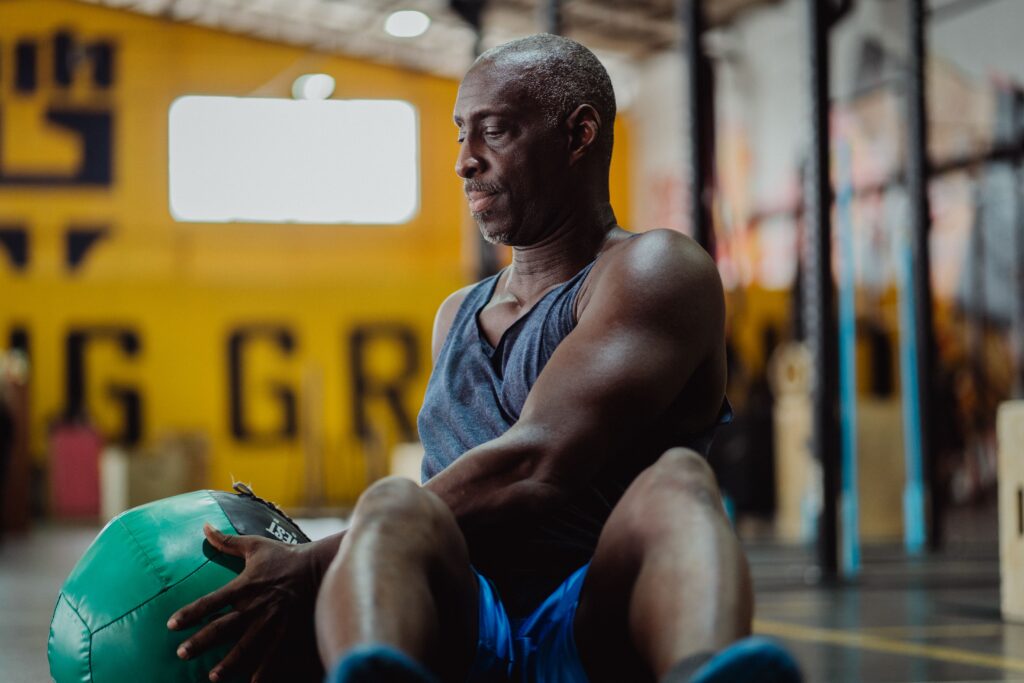

In today’s complex and ever-changing fitness world, the concept of recovery has taken a quantum leap towards “rock star” status, leveraging itself as one of the biggest trends in modern wellness. For recreational and elite athletes alike, recovery has undergone a positive shift, from a mere afterthought to a highly detailed daily ritual. In this article, we will look at some of the more popular “tools and techniques” for promoting healthy recovery after intense bouts of exercise, while also reflecting on the importance of integrating these tools into a more holistic approach to what recovery truly means for the mind, body, and soul.
Redefining Recovery
If we take a critical look at the abundance of options that exist to foster better, safer, and more effective recovery following workouts, we might notice a distinctive pattern emerging: individuals want to recover, but fail to understand how the process truly works.
The growing emphasis on recovery reflects the idea that the body needs time and support to adapt to the demands placed on it. However, what is typically overlooked might be the most critical piece of the puzzle. Athletes seem to seek out recovery tools without first understanding how, when, or why to engage in them, nor do they recognize how these tools fit into the larger picture of long-term health and performance. To that end, many individuals find that their recovery efforts fall short of expectations, which in turn hampers progress and adaptation.
In its most elemental form, recovery aims to support the body’s healing, regulation, and adaptation over time. Rather than thinking of recovery as a place where progress comes to a screeching halt, we must view it as the time and space for positive adaptations.
The Integrative Process
From a purely scientific standpoint, recovery allows bodily tissues (muscles, cells, etc.), movement patterns, and all components of the nervous system to respond productively, rather than merely accumulating fatigue and eventual breakdown over time. In the absence of effective recovery, muscle tissue quality declines, stress accumulates and physical performance reaches an immovable plateau.
All of this leads to the fact that recovery serves as an active process, one that supports circulation, tissue health, nervous system regulation, and the body’s ability to rebuild over time.
Resilience is cultivated through the body’s ability to recover from stressors imposed during exercise. As such, we can begin to paint a picture suggesting that recovery transcends sore muscles and overall fatigue; it also encompasses regulation.
The modern wellness community would like athletes to view recovery as a commodity that one can “purchase”: cold-water plunges, red-light therapy, compression stockings, even lymphatic drainage massage. While these tools of the trade can certainly make a significant difference for some individuals, too often we place unrealistic expectations on such therapies. Every recovery and performance service works because of how it supports and complements other aspects of wellness. We must understand, however, that no single tool/service will provide overarching solutions on its own. Athletes must come to a place of comprehending, rather than rationalizing, how these approaches work together, and how they support treatment, movement, nervous system regulation, and long-term adaptation. All the innovation in the world fails to matter unless it meaningfully improves how the body functions and adapts.
Performance Depends Upon Recovery, and Recovery Supports Performance
An active human body builds strength during recovery. It restores capacity during recovery. It adapts to stress during recovery. In its absence, the body will tire faster than it can adapt. A quality recovery period allows one to continue doing what they enjoy in life: training, competing, exercising, or simply staying active daily. Recovery does not mean “the opposite of performance”; rather, it makes sustainable performance possible.
With this definition in mind, we must encourage our clients to view recovery as part of an integrated system rather than as an afterthought or an isolated experience. For recovery to truly serve its intended purpose, athletes must allow treatments, movement, and rest to work together to support long-term health and resilience.
Even the Best Gadgets Will Fail Without a Solid Foundation
Many personal trainers and strength coaches fall prey to endorsing specialized equipment — the vibration plate, red light therapy, ice baths, etc.—which social media platforms do a stellar job of promoting. In contrast to what we see over and over again on various fitness platforms, these tools can serve as supplements to a healthy lifestyle, not as the main event.
These so-called life hacks offer a number of benefits to users. Red -light therapy helps stimulate mitochondrial energy while also promising to reduce post-workout inflammation; vibration plates gently assist with circulation and provide passive neuromuscular activation. However, these tools work by accelerating or assisting already functioning systems. If a client finds themselves short on sleep, stressed, or chronically dehydrated, these tools cannot treat the root cause of either fatigue or inflammation.
Building a “bulletproof” wellness routine requires first establishing the core habits of movement, hydration, sleep, and nutrition. While targeted treatments can be powerful tools for fostering recovery, they work best when paired with strong foundational habits. As all personal trainers know, a well-nourished body heals more efficiently, quality sleep accelerates recovery, and stress management keeps a strong immune system functioning optimally.
The Relationship Between Physical and Mental Recovery
Cognitive performance cannot outpace the body’s physiological restoration. When an athlete either overtrains or fails to allow themselves to recover properly, his mental acuity suffers. Consider the following:
- Brain Fog: Central nervous system (CNS) fatigue resulting from heavy physical exertion can impair working memory, reaction time, and decision-making abilities.
- The Role of Sleep: Deep sleep, the ultimate tool for both muscle repair and cognitive clearance, enables the brain to flush out metabolic byproducts and to shift short-term memories into long-term storage. Aim for 7-9 hours of quality sleep to help the body repair, reset, and prepare for the next workout session.
- Nutrition: Post-workout nutrition—specifically consuming 20g – 40g of a lean, clean protein source enhanced with essential branched-chain amino acids—indirectly fuels cognitive recovery by stabilizing blood sugar and providing the building blocks necessary for systemic/somatic recovery.
The Impact of Cognitive Function on Foundational Health
Foundational health habits may seem simple, but they can have a profound impact on an individual’s well-being. They point athletes to the best and most straightforward road to reclaiming health, maintaining adaptations/ progress, and preventing future illness. By embracing these essential habits, we empower the body to heal and maintain resilience for life.
Recovery can get thwarted when one’s cognitive functioning fails to align with the somatic aspects of healing. A broken cognitive baseline, an often-observed pattern, reflects a state in which the physiological inputs that support normal cognition (gut microbial health, sleep quality, light exposure, and movement) have fallen below the threshold required for basic cognitive function. When these inputs fail to function optimally, recovery strategies cannot even begin to compensate. Repair must come first.
When an athlete, accustomed to taking steps towards enhancing recovery, determines that they suffer from dysfunctional cognition, how should they proceed? As it turns out, scientists have determined a specific order for repairing cognitive functioning. Addressing the gut microbiome always comes first, since over 90% of the body’s serotonin (the naturally occurring “feel-good” hormone) gets produced in the gut. As such, our microbiome serves as the “manufacturing floor” for our brain’s chemistry. Sleep architecture comes next. According to a 2021 article appearing in Scientific Reports, sleep deprivation can impair attention, executive function, and memory. In fact, prefrontal cortex hemodynamic responses measurably decrease with insufficient sleep.
The next steps entail getting sufficient exposure to the proper wavelengths of light, followed by appropriate levels of movement. Both of these serve as circadian calibrators, which will compound any gains appreciated from steps 1 and 2.
Over time, regular exercise and proper recovery routines result in tangible structural changes to the brain. Specifically, participating in a regular moderate-level aerobic exercise program can increase the volume of the brain’s hippocampus, or memory center, by as much as 2% in a few months’ time. Furthermore, data indicate that a lifelong commitment to regular physical activity aligns directly with a lower risk of cognitive decline, Alzheimer’s disease, and other common forms of dementia.
While no research to date has pinpointed a precise timeline, the data does indicate significant cognitive improvement after just 5 days of daily bright light therapy. Microbiome shifts tend to become measurable within 2–4 weeks of significant dietary changes. Sleep debt begins to recover within days of improved sleep hygiene. Most people report meaningful cognitive improvement within 2–6 weeks when all four of the aforementioned aspects are addressed consistently, though individual variation does occur.
Solid Recovery Guidelines and Suggestions
For trainers who find themselves working with extremely eager clients, a few practical tips might help them get in the habit of prioritizing recovery time:
- Keep Workouts Under 60 Minutes: For most people, 45-60 minutes of exercise more than suffices to stimulate results without heading dangerously into overtraining. Beyond that, the client may run the risk of elevated cortisol levels and diminishing returns.
- Prioritize Recovery Days: Allowing the body at least 1-2 full rest days each week does not mean a client has turned into a bona fide slacker; rather, they and their trainer have engaged in smart planning. Recovery days help the body rebuild and come back stronger.
- Balance Intensity: By alternating high-intensity sessions with moderate or low-intensity days, one can give his central nervous system a much-needed break.
- Recognize the Signs of Overtraining: Persistent fatigue, trouble sleeping, irritability, prolonged muscle soreness, and performance plateaus all indicate that the body needs rest/recovery/repair.
As we can see, more does not always equate to better results. Growth and physical development result from a balance of effort and recovery, or, viewed another way, stress and adaptation. By embracing recovery as a crucial part of the fitness journey, individuals not only feel better but also obtain better results.
Recovery as its own entity should rank just as highly as one’s workouts. In the absence of adequate recovery, the body is unable to repair damaged tissues, rebalance hormones, and reset the central nervous system. This, in turn, increases the risk of injuries, a sure path to derailing progress entirely.
While taking multiple exercise classes a day, on consecutive days each week, may seem like an inspiring lifestyle, not allowing the body adequate time to recover can undermine all one’s hard work. A rested and recovered body not only performs better—it achieves results faster and with far less risk of injury. Whether one seeks fat loss, muscle gain, or overall fitness, recovery marks the sweet spot where the magic happens.
References
knowledge.wholegrainwisdom.com/mind/cognitive-baseline-repair
mfm.au/blog/foundational-habits-for-healing-and-long-term-health/
structuralelements.com/blog/the-recovery-boom/
pmc.ncbi.nlm.nih.gov/articles/PMC5934999/