

The Curtsy Lunge: How to do it and why you should
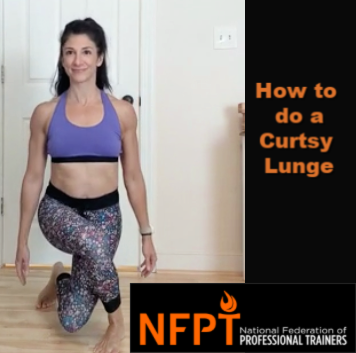
The lunge and all its iterations has a penchant for hitting all the muscles of the lower body at once, and depending on which variation is used, a wide variance in the degree of muscle recruitment as well. The curtsy lunge is aptly named for its resemblance to the formal greeting once performed by ladies […]
Understanding the Spinotransversales: The Superficial Intrinsic Muscles of the Back
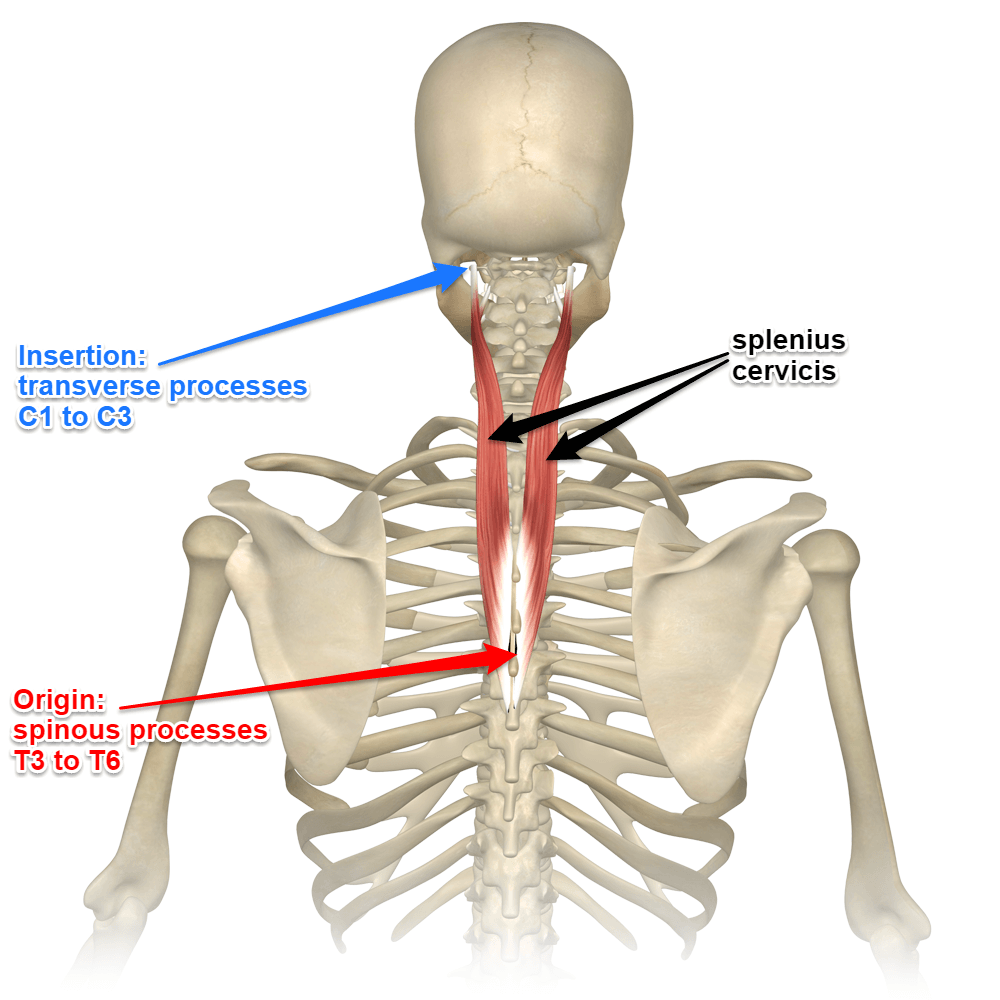
The intrinsic muscles of the back control the vertabral column, i.e., the spine, and are situated deep below the extrinsic muscles which are responsible for movements of the thoracic cage and shoulder joints. The spinotransversales group are the first (top) layer of the deep intrinsic back muscles that contribute to cervical extension and rotation. Every […]
Understanding Erector Spinae: Nail the Intermediate Intrinsic Muscles of the Back
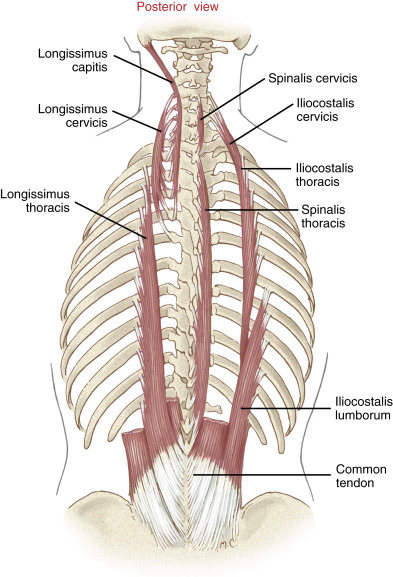
Understanding the attachments and function of the erector spinae group can help shed light on some typical compensation patterns and postural dysfunction like hyperkyphosis or excessive lordosis often seen in our clients. With low back pain afflicting an estimated 50% of the population (at least), becoming intimately acquainted with the muscles of the back will […]
Ashlyn Knox–NFPT Personal Trainer Spotlight
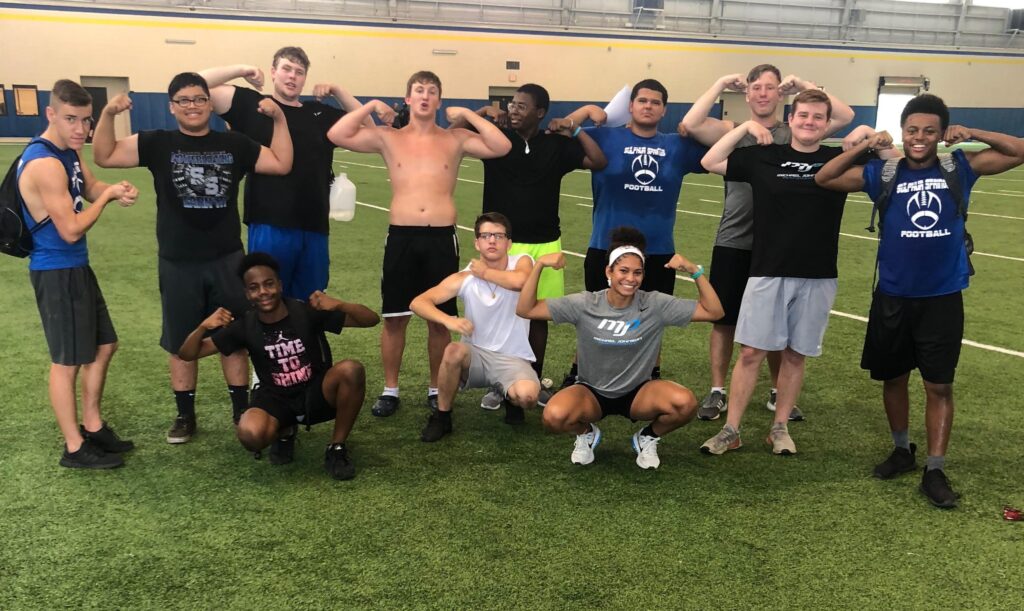
Meet Ashlyn Knox, a third-year full-time student at The University of Texas at Austin, where she is studying Business Management and Exercise Science. Like most of our trainers, Ash is passionate about helping others reach their full potential–and why she loves being an NFPT certified personal trainer. Ashlyn spends a lot of her time as […]
Understanding Transversospinales: The Deep Intrinsic Muscles of the Back
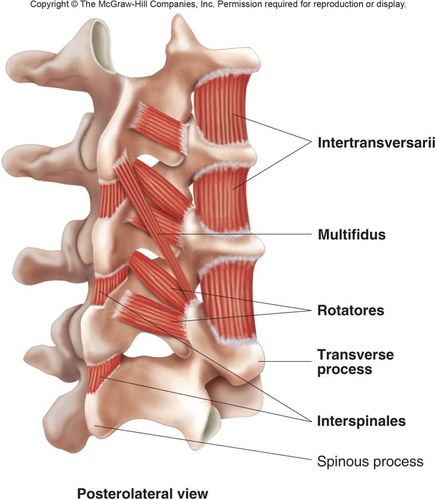
The deep intrinsic muscles are located beneath the erector spinae, and are known collectively as the transversospinales. They are a group of short muscles, associated with the transverse and spinous processes of the vertebral column that primarily support the segments of the spine and serve as proprioceptors. Personal trainers who want to go deeper into their anatomy knowledge and application should read on.
The Intrinsic Muscles of the Back: Getting the Musculature of the Spine Straight
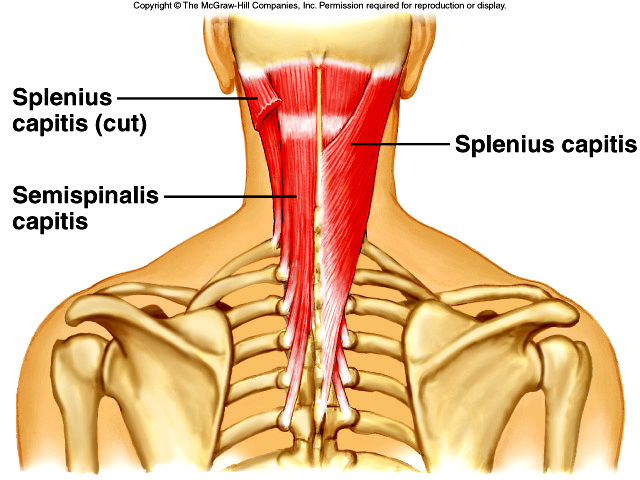
The intrinsic muscles of the back are a bit complex to say the least. Not only are there several muscles that literally overlap, but their names also overlap as well, making matters more confusing. Let’s break everything down in a way that makes sense and that we, as personal trainers, won’t only understand and remember, […]
Creatine Supplementation: Why It’s The Number 1 Avenue To Support Your Growth And Training
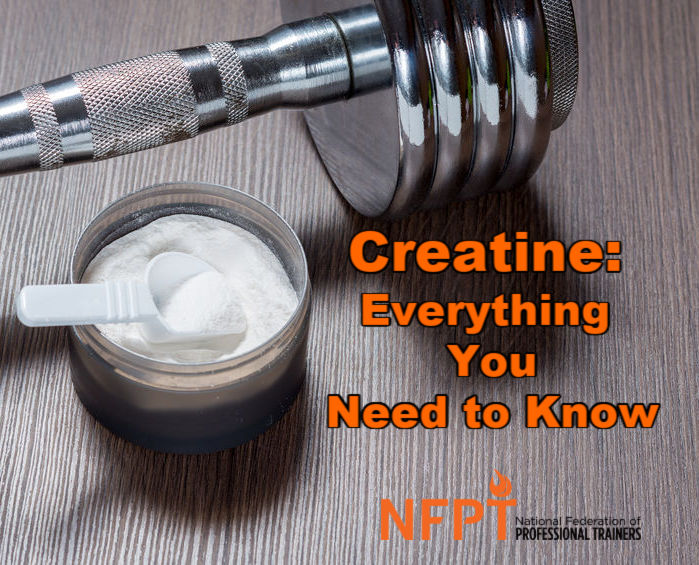
Most fitness enthusiasts who have had their sights set high on muscle growth have certainly heard of creatine supplementation if they haven’t already tried it. If you’ve taken it as a personal trainer and tolerated it well, it’s probably still a part of your pre-workout ritual. And with good reason: Creatine is the most well-documented […]
NFPT Trainer Spotlight–David Rodriguez
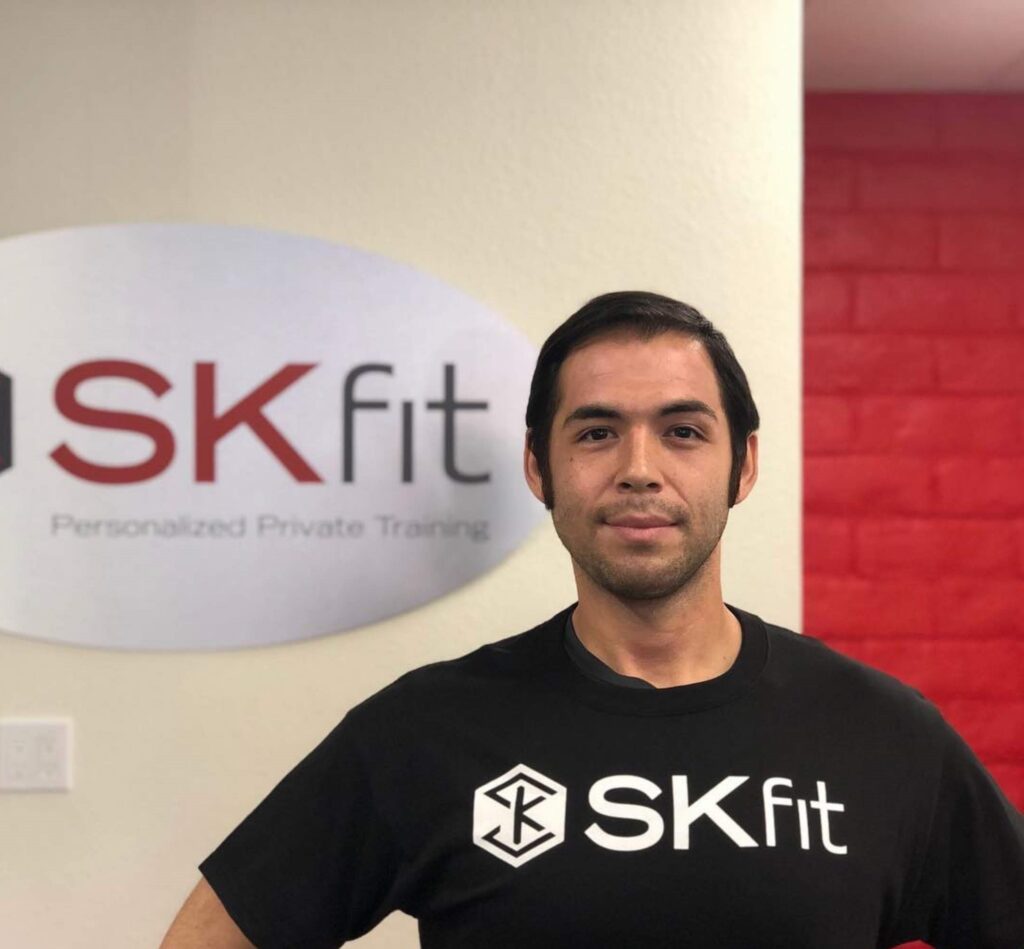
David Rodriguez is not only one of our NFPT (and ACE) Certified Personal Trainers but he is one of our regular blog contributors, boasting popular articles on nutrient density and the daily struggle of successful weight loss—a topic with which he is intimately familiar. Growing up overweight and obese, David lost over 100 pounds and […]
Muscle Activation: What It Is and How to Program It
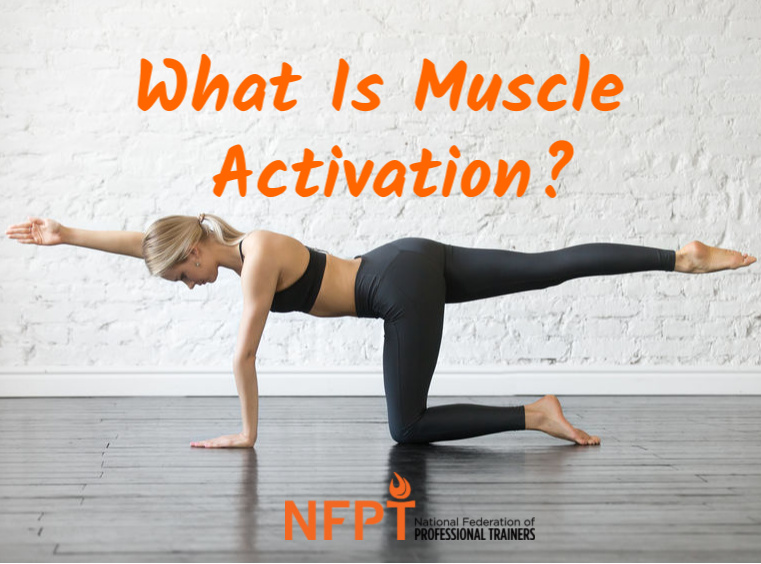
If you’re a fitness professional you may have heard the term “muscle activation” or have even used it in your personal training practice as a means to help correct movement pattern dysfunctions. Defining exactly what this means and when it is appropriate to incorporate into an exercise program is an invaluable tool for anyone interested […]
Core Training Versus Core Strengthening: Is There A Difference?
The true foundation of a personal training client’s fitness success is that their journey aligns concordantly with their level of fitness and progresses appropriately as they achieve set goals. Knowing the difference between core training and core strengthening is key to programming clients responsibly. When it comes to core strength—arguably the foundation of the body’s […]