

There is much you can do to increase your HDL (good) cholesterol and decrease your LDL (bad) cholesterol through lifestyle improvements. In fact, government health officials recommend that most American adults with cholesterol problems should first change their health habits for 3 to 6 months before resorting to medications.
Cholesterol is a waxy substance that circulates in the bloodstream. Your body makes its own cholesterol and also absorbs cholesterol from certain foods, specifically all animal product (i.e. meats, dairy products and eggs). Cholesterol is transported through the blood by carriers called lipoproteins. Cholesterol carried in the LDL is called “bad” cholesterol because it contributes to the buildup of atherosclerosis or deposits in the blood vessels, increasing heart disease.
Try to keep your LDL cholesterol as low as possible. For all age groups, a blood LDL cholesterol level less than 100 mg/dL is optimal because heart disease is rare below this level. At the very least, children and adolescents should keep their blood LDL cholesterol less than 100 mg/dL, and adults, less than 130 mg/dL. Below is outlined how LDL cholesterol is classified in adults:
Classification for LDL Cholesterol
<100 = Optimal
100-129 = Near Optimal/Above Optimal
130-159 = Borderline High
160-189 = High
>190 = Very High
Source: Third Report of the National Cholesterol Education Program (NCEP) Expert Panel on Detection, Evaluation and Treatment of High Cholesterol in Adults (Adult Treatment Panel)
In contrast, HDL cholesterol is called the “good” cholesterol. The HDL carrier acts as a shuttle as it takes up cholesterol from the blood and body cells and transfers it to the liver, where it is used to form bile acids. Bile acids pass from the liver to the intestines to aid in fat digestion. Eventually, some of the bile acids pass out of the body in the stool, providing te body with a major route for excretion of cholesterol.
For this reason, HDLs have been called the “garbage trucks” of the body, collecting cholesterol and dumping it into the liver. Thus, if levels of HDL cholesterol are high (i.e., 60 mg/dL or more), the risk for heart disease is decreased. An HDL cholesterol level of less than 40 mg/dL is considered low or undesirable.
How can you ensure a good blood lipoprotein profile-low LDL cholesterol and high HDL cholesterol? Several factors have strong influence. In order of importance, the factors that increase HDL cholesterol are as follows:
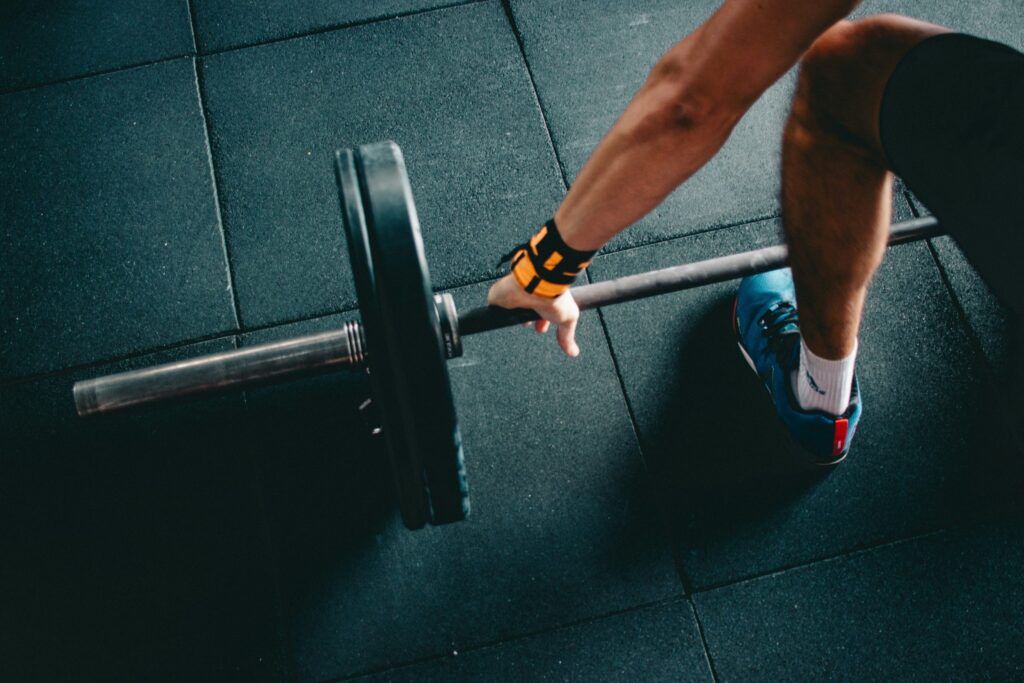
- Moderate to vigorous aerobic exercise (i.e., brisk walking), at least 80-90 minutes per week. (Note: if your risk of heart disease is high, first check with your doctor before initiating an aerobic exercise program)
- Maintaining a lean body weight and avoiding weight gain
- Smoking cessation
The most important factors for lowering LDL cholesterol are the following:
- Reduction of dietary saturated fat intake to less than 7%-10% of total calories (found mainly in meats, dairy products and some tropical oils, such as palm or coconut oil), with greater emphasis on most plant oils and fish which are high in unsaturated fats
- Reduction in body weight (if it is high)
- Reduction in dietary cholesterol intake to less than 200-300 mg/d (found in foods of animal origin)
- Increase in carbohydrates consumption to more than 55% of calories and dietary fiber to more than 20 g/L (especially fruits and vegetables, beans and oat products)
Diets using non-hydrogenated unsaturated fats as the main form of dietary fat (i.e., olive and canola oils) whole grains as the main form of carbohydrates, an abundance of fruits and vegetables and adequate omega-3 fatty acids from fish oils will have a strong effect in improving your blood lipids and lipoproteins. This type of diet combined with regular physical activity, avoidance of smoking and maintenance of a healthy body weight will help you control your blood lipid levels while also reducing your odds of heart disease.
The good news is that these changes have strong, relatively quick effects on improving your blood lipid and cholesterol profiles. In fact, lifestyle changes often cause meaningful improvements in HDL cholesterol and LDL cholesterol within the first month.
The new “statin” drugs (i.e., lovastin [Mevacor], simvastatin [Zocor], and astorvastatin [Lipitor]) are easy to use and have a powerful effect in lowering LDL cholesterol and raising HDL cholesterol. They work by blocking an enzyme needed to produce cholesterol in the liver. Typical improvements with these drugs include an 18% to 55% decrease in LDL cholesterol, 5% to 15% increase in HDL cholesterol and 7% to 30% decrease in triglycerides. But weight loss, exercise and a healthy diet low in animal fats and high in fruits and vegetables and whole grains work just about as well while providing many other health benefits.
All drugs have undesirable side effects, and for the statin drugs, they include nausea, diarrhea, constipation, muscle pain and tenderness, and elevated liver enzymes in some individuals. The desirable side effect of an improved life style is feeling better mentally and physically.
 Robert Bovee Certified Master PPT, RTS, ETS, FTS
As one of the most successful Professional Personal Trainers and Exercise/Fitness Therapists in the United States, Robert continues to remain at the forefront of the industry by providing his clients with a thorough education and the tools to implement that education. By improving his client’s physical health, strength, endurance, cardiovascular fitness and nutritional habits, he is able to motivate them to lead longer, happier and more productive lives. Find out more about Robert and his personal training career and services, here.