

How to Do a Close Grip V-Bar Lat Pulldown
If you want to become a personal trainer, or perhaps are one already, there are many movements you will have to know like the back of your hand. Luckily, most movements are just different variations of the same exercise. The close grip lat pulldown using a V-bar attachment is a variation of a conventional lat […]
How To Do Pull Ups: A Basic Demo for the Most Fundamental Bodyweight Strength
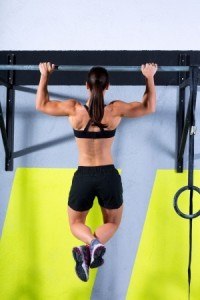
How to do Pull Ups A pull up is a compound pull exercise that works a large number of muscles in your back, shoulders, and arms including the lats, lower trapezius, posterior deltoids, and biceps. Starting Position Grip the bar with a firm overhand grip. Make sure your hands are about shoulder-width apart. Keep your […]
Barefoot Training Basics for Personal Trainers
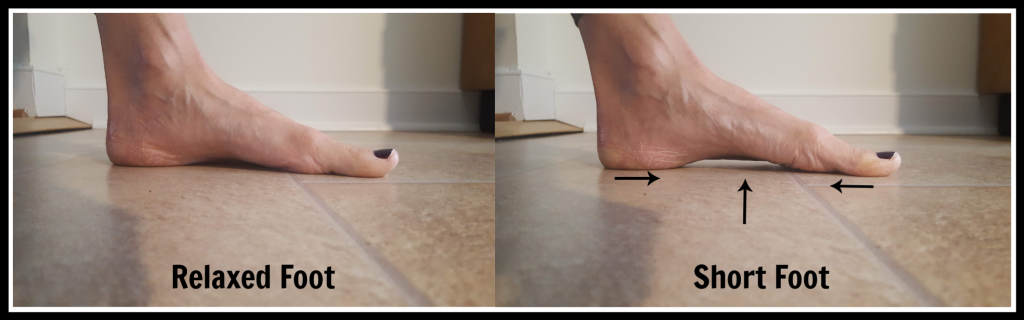
Do you train with your shoes off or see others doing so? Maybe at first, you just scratched your head and worried that the barefoot girl at your gym doing deadlifts might inadvertently crush her naked, little toes. You may now know that removing your clients’ shoes for their training sessions could tremendously bolster the […]
What To Do if a Client Crosses a Line
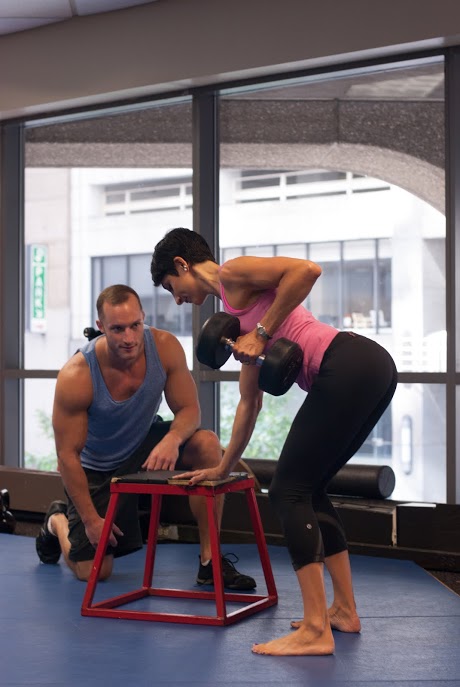
Developing close, personal relationships with clients can cause problems and awkward situations that you didn’t anticipate even though getting personal is essential to your role as a trainer. There is a subtlety in striking the balance between establishing rapport and laying the foundation of a business relationship from the first initial contact. You need your client to trust […]
Assessing Scapular Rotation For Pull-Ups
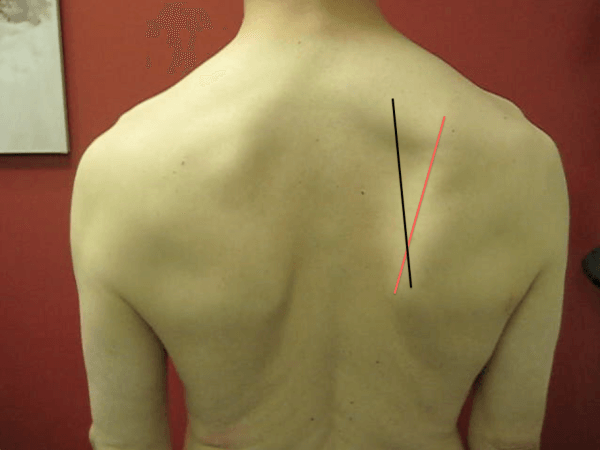
The scapulae need rhythm and symmetry to allow for adequate motion when performing pull-ups. Assessing scapular rotation before progressing to an independent pull-up sets your client up for better results and reduced risk of shoulder injury. There are three joint actions/areas in which mobility will affect the ability to produce an efficient pull-up: 1) Thoracic spine […]
Assessing Thoracic Mobility For Pull-Ups
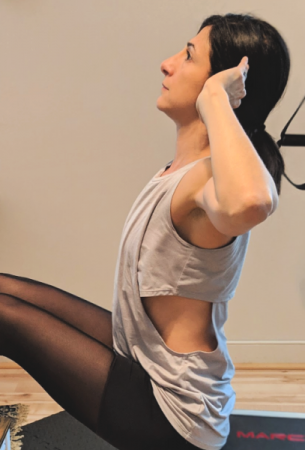
Thoracic mobility is crucial for proper pull-up performance, allowing for proper scapular motion, and hence, optimal shoulder movement. Assessing thoracic mobility and latissimus dorsi length is the first of three assessments to implement when training a client toward independent pull-ups. There are three shoulder motions in which restriction will affect the ability to achieve a pull-up: […]
Assessing Shoulder Internal/External Rotation for Pull-ups

The glenohumeral (shoulder) joint requires balanced and adequate external rotation to perform a pull-up effectively. Assessing the performance of both internal and external rotator muscles will address mobility issues first so that progressions are successful and strength gains occur. Three areas in which assessing and improving mobility will impact the ability to perform pull-ups effectively: […]
Assessing Shoulder Mobility Restrictions for Pull-ups
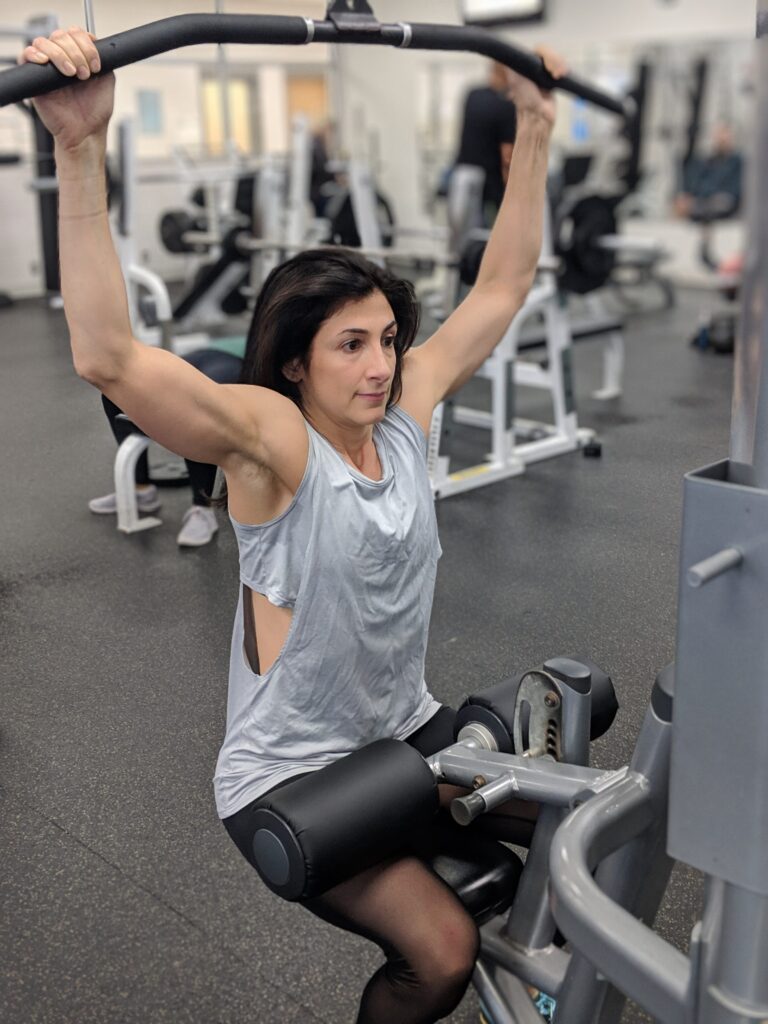
The best way to ensure the process of progressing pull-ups goes smoothly is to assess and address mobility issues first. Joint mobility is the degree to which an articulation (where two bones meet) is allowed to move before being restricted by surrounding tissues (ligaments/tendons/muscles etc.), otherwise known as the range of uninhibited movement around a joint. […]
Thoracic Mobility Exercises for Pull-Ups
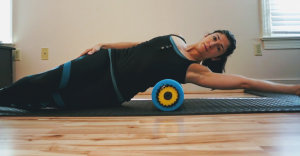
Improving thoracic mobility and lengthening the latissimus dorsi are essential steps to laying a strength foundation for a pull-up progression routine. Before incorporating the following exercises, you should have determined what your client’s limitations are from the last blog on how to assess shoulder mobility restrictions. The following exercises are designed to address mobility limitations […]
Scapular Mobility Exercises for Pull-Ups
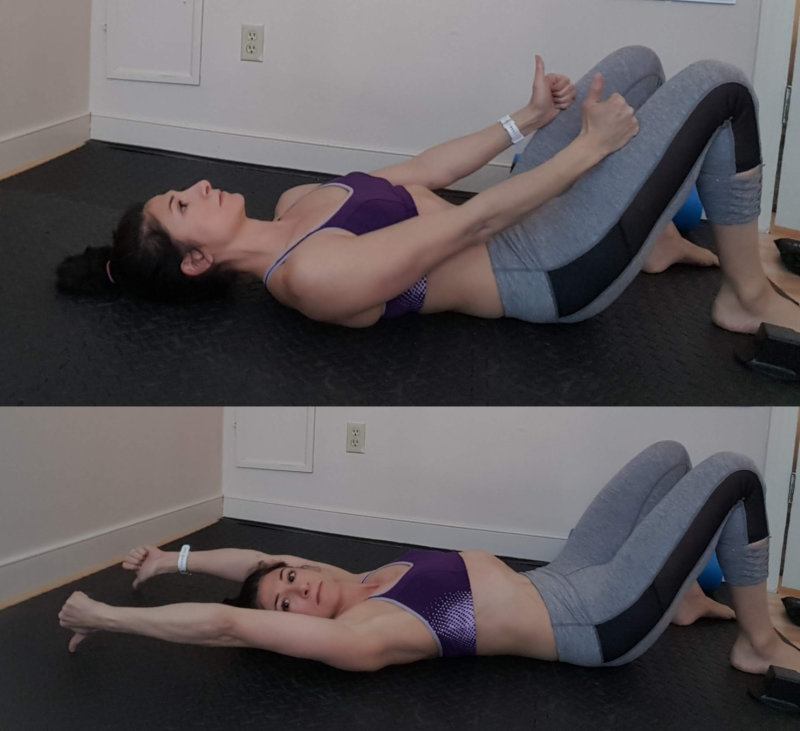
Improving scapular mobility and correcting muscle imbalances that might prevent proper pull-up form is an essential step before teaching efficient pull-up or chin-up technique. After determining which shoulder limitations are present after learning how to assess shoulder mobility restrictions, the fitness professional can then work on correcting muscle imbalances. The following mobility and strengthening exercises […]