

Bioenergetics: Aerobic versus Anaerobic Energy Production

While we are all familiar with aerobic activity, defined in the early 1970s by Dr. Kenneth Cooper as activity during which the cardiorespiratory system provides enough oxygen for muscular effort, most of us associate anaerobic activity with that very hard effort we do during intervals. The fact is that each non-sequential muscular effort, such as turning your head, entails some measure of energy production in the absence of oxygen, qualifying it as anaerobic.
Understanding VO2 Max and the Altitude Challenge
When embarking on a new exercise program, there are many factors to keep in mind. One must decide on the frequency of workouts, their duration, and most importantly, their intensity. For more seasoned athletes, these factors are often broken down into much more specific areas; one such area is the consideration of VO2 max.
Dorsalgia: Back Pain and the Personal Training Client

Personal trainers are bound to address back pain complaints or conditions when working with adult clients. Back problems affect a considerable number of adults each year, ranking as the second most common complaint to physicians. Nearly 16 million adults — 8% — experience persistent or chronic back pain, curtailing many everyday activities. Over 2 million adults suffer permanent pain/disability. As the sixth most expensive medical condition in the United States, direct and indirect back-related healthcare costs can run over $12 billion per year.
Dorsalgia, one of the most common skeletal muscle syndromes, refers to pain in the upper back and includes sciatic pain, but excludes discomfort relating to scoliosis or lordosis. This painful condition often develops with age, particularly affecting those with a variety of comorbid conditions.
Seasonal Affective Disorder: How Personal Trainers Can Help Clients See the Light

For those of us who are winter sports enthusiasts, the onset of colder weather signals the beginning of snow-related fun. Yet for others, the shorter days and colder temperatures trigger a cascade of symptoms that are anything but pleasant. Feelings of depression, anxiety, and moodiness are symptoms commonly associated with what scientists have termed Seasonal Affective Disorder, or quite aptly, SAD.
The Benefits of Exercise for Breast Cancer Patients
“Mrs. Doe, I’m sorry to inform you that your tests have revealed the presence of a malignancy…” These are probably among the most powerful and frightening words any woman can hear from her doctor.
Training Considerations and Programming for Older Adults
According to the US Census Bureau, between 2010 and 2050, the United States is projected to experience rapid growth in its elderly population. Many want and need dedicated trainers who understand the aging process and proper injury prevention.
The Role of Insulin in Weight Training: What Personal Trainers Need to Know
Insulin is one of the body’s most important hormones, and it is of particular interest for bodybuilders who train naturally.
Dealing with Piriformis Syndrome
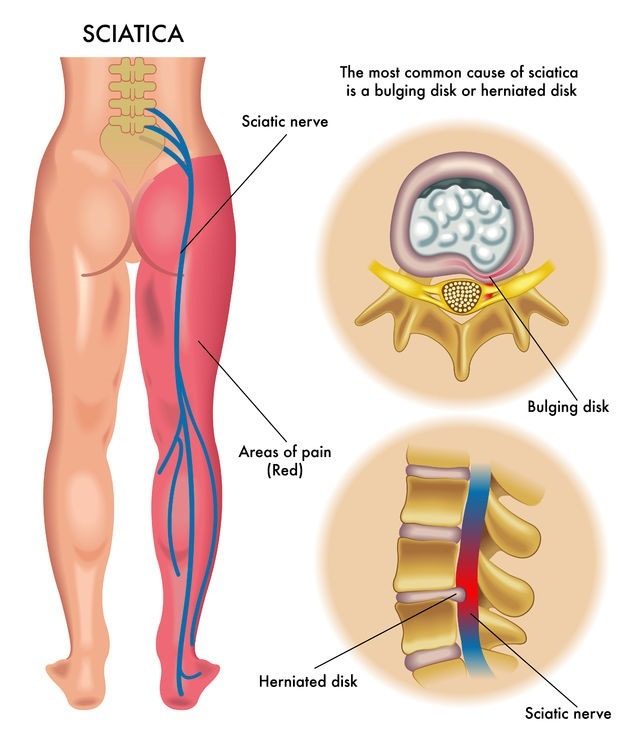
As fitness professionals, we often hear complaints from clients about various muscle aches following tough workouts. Typically we can dispel their fears by explaining the principle of DOMS (Delayed-Onset Muscle Soreness), and reassure them that they truly can work through the pain without evoking further damage. The most commonly reported sites of post-workout pain are […]
EPOC: Maximizing the Body’s Oxygen Debt for Greater Weight Loss Results

While exercise recovery needn’t take an epoch, it does involve EPOC (Excess Post Exercise Oxygen Consumption).
Handle with Care: The Intricacies of Training Teenage Female Clients

With the cost of higher education continuing to skyrocket, prudent parents nationwide are not only trying to pad their savings accounts, but are also actively seeking any and every scholarship opportunity available for their children.